
Many homeowners rely on their NJ well for clean drinking water. Physical signs can be misleading if threats hide beneath the surface. Staying current with government guidelines uncovers microbial and chemical risks before they spread.
Annual well testing sets a benchmark every year. It highlights shifts that call for private well maintenance and alerts owners to sudden changes or contamination events. This yearly routine keeps families safe and water supplies trustworthy.
Key Takeaways
- Annual tests help detect hidden issues early.
- Clear comparisons track changes over time.
- Regular monitoring meets state safety standards.
- Preventive steps reduce costly repairs down the road.
- Safe water adds peace of mind to daily life.
Understanding the Basics of Private Wells
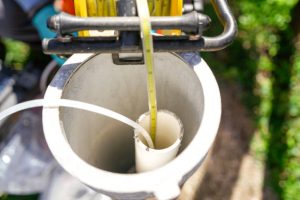
In many parts of the United States, families rely on private well systems for their household water. Each setup depends on a strong casing and a pump that draws from underground sources. Without municipal oversight, homeowners handle vital checks themselves. A sturdy build keeps debris out and helps the well function as intended.
Maintaining well water safety begins with regular inspections. Cracks or gaps near the top can allow harmful elements to seep into the supply. A sanitary cap reduces the risk of insects or small animals finding their way inside. Distance from septic or chemical storage sites is also critical for preventing hidden threats.
Core components often include:
- Casing to keep soil and sediment away
- Pump for drawing water upward
- Piping that leads to the home
- Sealed cap to block contaminants
Proper awareness of these essentials helps homeowners safeguard their wells. This gives them peace of mind about the water they use every day.
The Importance of Annual Testing
Yearly checkups are essential for maintaining safe and reliable drinking water. They help detect changes early, preventing health risks. NJ well testing is vital for households that depend on private wells.
Detecting Harmful Bacteria
Microbes like total coliform and E. coli can enter wells through leaks and runoff. Even small disruptions can allow pathogens to thrive. This poses health risks if ingested. Thorough testing is necessary to protect water quality and user confidence.
Ensuring Safe pH Levels
Annual tests also verify pH levels are within a safe range. Excessive acidity can corrode pipes, while high alkalinity leads to mineral buildup. Sudden pH changes can allow metals to leach into the water. Regular monitoring is key to maintaining structural integrity and water quality.
| Potential Issue | Typical Cause | Possible Impact |
| Bacterial Growth | Damaged Well Cap | Gastrointestinal Illness |
| pH Imbalance | Excessive Minerals | Corrosion and Metal Leaching |
| Organic Contaminants | Runoff | Unpleasant Taste or Odor |
Common Contaminants Found in Groundwater
Many households rely on private wells, unaware of substances that can seep into the water supply. Routine checks support well water safety and limit risks linked to groundwater contamination. Traces of metals, nitrates, or bacteria may linger without any visible warning.
Lead and Heavy Metals
Elements such as lead or arsenic can enter the water through pipes, corrosion, or local industrial sites. Ingesting them can impact vital organs. Aging plumbing is often a hidden cause, which is why professionals recommend timely water testing.
Nitrate Contamination
Nitrate levels rise when fertilizers and waste runoff trickle into wells. Babies face significant danger if they drink water with elevated nitrates. Vital oxygen levels in the blood can drop, causing long-term complications.
Bacterial Concerns
Natural processes or failing septic systems may let bacteria invade a well. Some species threaten public health if ingested in large amounts. Testing serves as an effective safeguard, highlighting any emerging threats at an early stage.
| Contaminant | Likely Source | Potential Impact |
| Lead | Outdated Plumbing | Neurological and Organ Damage |
| Nitrates | Agricultural Runoff | Breathing Difficulties in Infants |
| Bacteria | Septic Leaks | Gastrointestinal Illnesses |
How Annual Testing Protects Family Health
Families often take groundwater for granted, unaware of hidden contaminants. Young children, older adults, and those with weakened immune systems are at risk. Contaminants like bacteria, nitrates, or heavy metals pose serious health threats. Routine testing acts as a protective shield, catching issues before they become severe.
By scheduling annual well tests, families can drink water with confidence. This proactive approach keeps invisible threats in check, essential for maintaining private well health. Regular monitoring can prevent long-term health issues caused by contaminated water, reducing the risk of silent conditions.
- Identify Silent Contaminants: Early detection of bacteria and metals means prompt corrective steps.
- Promote Healthy Living: Clean water contributes to strong bodies and minds.
This proactive stance fosters overall wellness. Improved water quality often leads to better daily routines, boosting household well-being. In many instances, annual well testing is the key to a safe, thriving environment.
Best Times of Year to Schedule a Test
Testing a private water source requires careful timing. Many use seasonal testing windows to find the best sampling moment. The right month can uncover issues before they worsen.
Seasonal Water Table Fluctuations
High groundwater movement speeds up contaminant travel. Spring melts stir up sediment, while autumn rains can raise pollutant levels in older NJ wells. Testing during these times can catch threats early. Well owners who test during these periods often tackle issues more effectively than those who wait.
Scheduling Around Rainfall Patterns
Heavy rains alter water flow, allowing surface runoff to enter underground sources. Testing a sample after a storm shows how these changes affect quality. Following seasonal testing windows ensures readings reflect true conditions, not just a temporary clean period. This approach promotes responsible homeownership and boosts confidence in water samples.
Ensuring an Accurate Test Sample
Collecting a reliable water sample is a critical step in any annual well testing routine. A proper sampling technique is essential to prevent outside particles from contaminating the data. It’s best to use sterile containers from a certified lab. Following steps like running the tap for the suggested duration and tracking temperature is also necessary.
Careful labeling and prompt transportation are key to avoiding false readings. Small lapses can significantly distort results. For instance, storing water in unsuitable conditions may trigger bacterial growth. Sampling too quickly can also miss key chemical markers.
A consistent approach is vital for homeowners to make informed decisions about filtration or disinfection. Each step, from careful handling to timely delivery, contributes to a trustworthy analysis. This ensures safe well water for everyone involved.
NJ Well Testing Requirements Explained
Private well owners have legal duties when selling or leasing property. They must ensure each well meets state standards for contaminants. NJ well testing informs residents about pollutants and enhances water safety.
Compliance with these standards builds trust among neighbors and friends. Keeping up with guidelines minimizes legal risks in property transactions. It ensures ongoing compliance and protects public health.
State-Mandated Testing Frequency
Regulations require testing before property occupancy changes. Tests uncover hidden contaminants and provide a water chemistry snapshot. Some areas suggest annual tests for bacteria or unsafe metals. NJ well testing guidelines also recommend an extra sample for unexpected water color or odor.
Local Resources for Compliance
County health offices and the New Jersey Department of Environmental Protection offer discounts or testing kits. They list approved labs and host educational events for well maintenance. Engaging with these resources simplifies compliance for well owners seeking reliable results.
| Requirement | Frequency | Contact |
| Legal Property Transfer | Prior to Sale or Lease | NJDEP Hotline |
| Recommended Annual Check | Once Per Year | Local Health Department |
Cost-Effective Strategies to Maintain Well Quality
Protecting a private water source requires focused steps to keep costs down. Experts, like the National Ground Water Association, stress the importance of regular inspections. This helps identify issues early, preventing more costly repairs and ensuring health safety. Budgeting for affordable well maintenance is easier when tackling small problems before they grow.
Keeping the wellhead clean prevents debris from entering the water. Minor repairs, such as sealing cracks or replacing worn parts, can delay the need for expensive overhauls. Shock chlorination is also effective in eliminating minor bacterial growth, maintaining water purity.
- Properly store chemicals away from the well casing
- Follow a safe schedule for pump checkups
- Track changes in taste, color, or odor
Residents with an NJ well can benefit from local specialists for routine evaluations. A dedicated maintenance plan offers long-term benefits. A proactive approach maximizes quality and protects households from unexpected expenses.
Professional Inspection vs. DIY Approaches
Many households ponder whether a professional’s expertise surpasses a self-assessment. A thorough well inspection can uncover early damage signs before they worsen. The decision hinges on budget, time, and comfort with technical tasks for private well upkeep.
Annual well testing is vital in keeping contaminants out of daily life. Experts use advanced tools to detect subtle weaknesses. DIY methods can work well if done correctly, but accuracy depends on proper technique and reliable kits.
Benefits of Hiring a Certified Expert
Trained inspectors perform detailed pump checks, water sampling, and mechanical assessments. Their expertise goes beyond surface-level checks. Regular inspections ensure consistent water quality and reduce the risk of system failures.
DIY Testing Kits: Pros and Cons
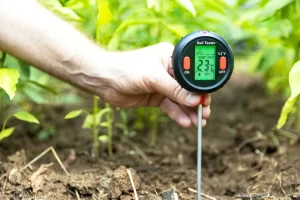
At-home kits are convenient for those with limited budgets. They use color-coded strips or digital meters for basic checks. Yet, some kits miss deeper threats. Users must follow instructions carefully. It’s wise to re-test when results seem unclear.
| Factor | Professional Inspection | DIY Approach |
| Cost | Higher upfront expenses | Lower initial outlay |
| Expertise | Certified knowledge | Limited by user skill |
| Reliability | Consistently thorough | Varies by kit quality |
| Time Investment | Minimal homeowner involvement | Requires hands-on effort |
Steps to Follow After Receiving Test Results
Upon receiving a lab report, it’s essential to follow clear steps to avoid confusion. Each parameter in the report offers vital clues about the well’s safety. These clues include signs of contamination or mineral imbalance.
At times, re-sampling is necessary to confirm if an issue persists or was a one-time occurrence.
Interpreting Technical Data
Many find interpreting well water tests easier with guidance from state resources. Charts often detail acceptable limits for substances like nitrates or lead. Reviewing these thresholds helps residents identify risks that require immediate action.
In some situations, a professional consultation is necessary to clarify which figures pose the greatest threat. An expert can direct families to reliable solutions that protect their health.
Treatment Options After Testing
Selecting a water treatment plan depends on the specific contaminant. Some cases benefit from disinfection methods, while others may need reverse osmosis or a dedicated system from brands like Culligan. Regular maintenance ensures any installed equipment continues to function properly.
Homeowners often rely on a range of tools when interpreting well water tests and choosing water treatment methods. The chart below outlines common findings and helpful guidelines.
| Contaminant | Possible Risk | Suggested Action |
| Coliform Bacteria | Gastrointestinal Illness | Shock Chlorination or UV System |
| Lead | Neurological Damage | Reverse Osmosis or Carbon Filter |
| Nitrates | Methemoglobinemia | Ion Exchange or RO System |
Common Myths About Well Maintenance Debunked
Many believe clear water means total safety. This belief fuels well water myths that can harm health. Without regular checks, harmful bacteria or chemicals can go unnoticed.
Some think a NJ well will never run dry. This overlooks cracks in the casing or water level shifts. Regular inspections catch these issues early, ensuring a steady supply for drinking and cooking.
Others believe a single test is enough. Annual tests keep up with changing conditions, safeguarding families. For those concerned about nitrate dangers, this guide offers insights on protecting children’s water quality.
By prioritizing proper upkeep, we debunk myths and build trust in our tap water.
Long-Term Benefits of Consistent Testing
Ensuring safe water supplies requires diligent monitoring. Regular well testing goes beyond immediate solutions, impacting household health over the long haul. It tracks water composition changes, reducing the risk of hidden dangers. These dangers could harm families or damage structures. Thorough monitoring prevents unexpected issues.
Resale Value for Property Owners
Properties with a history of well management attract more buyers. Consistent water testing builds trust and encourages higher offers. It showcases a commitment to water quality, boosting resale value. This care prevents surprises during inspections, making the property more appealing.
Peace of Mind Through Early Detection
Identifying problems early minimizes damage and saves on treatment costs. Timely detection avoids major disruptions. Quick fixes maintain water quality and protect budgets. This ensures a steady supply of clean water, reducing worry.
Upgrading Well Infrastructure for Safer Water
Ensuring clean groundwater starts with a detailed check of aging components. A well infrastructure upgrade typically involves installing durable casings and sanitary caps. These barriers prevent fertilizers, bacteria, and harsh chemicals from contaminating the aquifer. Replacing corroded sections also blocks heavy metals and debris from reaching household taps.
- Replacing cracked cement seals around the well
- Fitting sturdy covers to reduce contamination risks
- Installing proven filtration systems from brands like Culligan
These measures embody effective private well maintenance. They help families avoid expensive repairs. Modernizing equipment controls unexpected breakdowns, reducing worries about water quality. By focusing on performance enhancements, homeowners safeguard their health and property value over time.
How to Choose a Reliable Water Testing Service
Choosing the right partner for NJ well testing is critical for accurate data. It’s wise to opt for a company that offers transparent pricing and deep knowledge of contaminants. This approach minimizes the risk of missing hidden hazards and saves time in the long run.
Important Questions to Ask Providers
Some questions to consider include turnaround times, the scope of analysis, and whether they retest if contamination is found. A reliable provider will address safety concerns and provide guidance on any treatment needs. Here are a few key questions:
- Can they test for toxins like lead or nitrates?
- What methods assure sample integrity?
- Do they offer robust reporting?
Verifying Certifications and Accreditations
When selecting testing service professionals, look for affiliations with agencies like the Environmental Protection Agency or the National Ground Water Association. Accredited labs adhere to strict standards, ensuring reliable results and peace of mind for homeowners.
Final Thoughts on Staying Water-Safe Year Round
Maintaining a safe water source demands vigilance and regular checks. Private well maintenance is essential for safeguarding household members. A yearly schedule for inspections and annual well testing can detect early signs of contamination. Immediate action ensures water safety and protects families from risks.
Engaging a professional for a thorough evaluation enhances protection and brings peace of mind. In New Jersey, a NJ well must adhere to local regulations for testing. Keeping records of each test provides a reliable history of water quality. This data supports proactive solutions when issues arise.
Consistent care is key to staying water-safe. Combining routine checks with swift repairs fosters a reliable water supply. These steps guarantee each drink is clean, refreshing, and free from hazards. A well-documented maintenance plan adds an extra layer of security for homes.
FAQ
Why is annual well testing recommended for private well owners?
Annual well testing is essential for detecting invisible threats like waterborne pathogens, heavy metals, and nitrates. It follows EPA guidelines. This yearly check helps identify sudden changes in water quality. It ensures safe well water for the household.
Which contaminants are commonly found in groundwater wells?
Lead, copper, and arsenic can enter from bedrock or industrial sources. Nitrates often come from fertilizer use and septic systems. Harmful bacteria, including E. coli, can infiltrate through runoff or poorly sealed well components. Regular testing helps identify these contaminants early.
How does shock chlorination help address bacterial contamination?
Shock chlorination involves adding a concentrated chlorine solution to the well. It kills bacteria that may have entered. It’s most effective for mild bacterial issues or after identifying coliform presence in water test results. A follow-up test verifies if treatment was successful.
Are there cost-effective strategies for ensuring wellhead protection?
Yes. Keeping hazardous substances away from the wellhead and maintaining a sealed sanitary cap are effective. Brief pump maintenance checks also help. Small repairs, like sealing cracks or improving surface drainage, prevent contamination and save costs.
How do seasonal changes affect groundwater contamination risk?
Snowmelt or heavy rains increase the risk of surface pollutants seeping into the aquifer. Testing in spring or fall, or more often in flood-prone areas, reveals how seasonal shifts elevate contamination risk.
Why is verifying pH levels important during an annual well inspection?
Proper pH testing ensures the water is neither too acidic nor too alkaline. Highly acidic water causes pipe corrosion, potentially leaching metals like lead or copper. Balanced pH supports plumbing system safety and longevity.
What role do certified labs play in compliance with state regulations?
Certified labs follow precise procedures for sample handling and testing. In places like New Jersey, working with an approved laboratory meets compliance requirements under the Private Well Testing Act. Their analyses increase accuracy and reliability for homeowners.
Can consistent pump maintenance improve water quality?
Absolutely. A well-functioning submersible pump or jet pump ensures proper water flow and reduces stagnation risk. Regular maintenance alerts homeowners to issues, like worn seals that allow contaminants to enter.
Does annual testing influence a property’s resale value?
Yes. Annual well inspections and tests show proactive care, reassuring buyers. This care boosts property resale appeal. Consistent water-quality monitoring leads to smoother transactions.
How can filtration systems handle heavy metals or nitrates?
Systems like reverse osmosis, water softeners, or anion exchange units are effective. They target metals (e.g., lead, copper) or ions (e.g., nitrates), ensuring removal before water reaches the tap.
What steps should homeowners follow after receiving test results from a certified lab?
First, compare test findings with recognized safety standards to determine if any contaminant is above recommended limits. If microbial contamination is present, immediate disinfection or using an alternate water source is critical. For chemical hazards like arsenic or lead, installing specialized filtration systems may be necessary. Always schedule a follow-up test to confirm treatment success.