
In the complex world of New Jersey real estate, the water flowing from a private well is more than just a utility—it is a significant part of a property’s legal and health profile. If you are in the process of buying or selling a home, you may have encountered a specific and sometimes confusing requirement: the need to test both raw and treated water.
While it might seem redundant to test the water twice, especially if you already have a high-end filtration system in place, New Jersey’s regulatory framework is designed to provide a 360-degree view of water safety. Understanding the “why” behind this dual testing requirement can save you from closing delays and ensure that your family is protected from both geological and mechanical risks.
Defining the Terms: Raw vs. Treated
Before diving into the regulations, it is important to clarify what these terms mean in a laboratory setting.
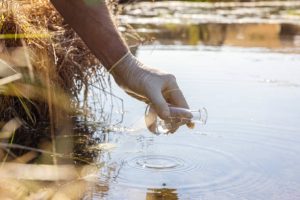
- Raw Water: This is the water in its natural state, collected directly from the well before it enters any treatment devices (like softeners, neutralizers, or UV lights). It represents the true chemical “fingerprint” of the aquifer.
- Treated Water: This is the water collected after it has passed through the home’s filtration systems. This sample represents what is actually coming out of the kitchen tap and what the residents are consuming.
Under the New Jersey Private Well Testing Act (PWTA), the state has a vested interest in both. One tells the story of the land, while the other tells the story of the home’s maintenance and safety.
The Geological “Fingerprint”: Why Raw Water Matters Most to the State
The primary reason New Jersey mandates raw water testing is for environmental data and consumer transparency. When a property is sold, the state wants to know the condition of the natural resource—the groundwater itself.
- Assessing the Aquifer: New Jersey is geologically diverse. From the arsenic-rich shales of the Piedmont to the radioactive granites of the Highlands, the “raw” water reveals what contaminants are naturally occurring in that specific location.
- Determining Remediation Needs: If a raw water test fails for a primary contaminant like Arsenic or Gross Alpha, it signals that the well is fundamentally compromised. Even if a filter is currently masking the problem, the state requires this failure to be disclosed so the buyer knows exactly what kind of filtration is required to keep the water safe.
- Long-Term Disclosure: Filters are temporary; wells are permanent. A buyer needs to know if they are inheriting a well that requires $1,000 a year in specialized services just to remain potable.
The Safety Check: Why Treated Water Matters to the Buyer
If the raw water test is for the state’s data and the buyer’s “right to know,” the treated water test is for the buyer’s immediate peace of mind.
Most modern homes with private wells in Northern and Central Jersey utilize some form of treatment. However, a treatment system is only as good as its last service call. Testing the treated water verifies two critical things:
- Effectiveness: Does the current system actually remove the contaminants found in the raw water? For example, if the raw water has 20 ppb of Arsenic, the treated test confirms if the Reverse Osmosis system is bringing that number down to a safe level (below 5 ppb).
- Mechanical Integrity: Systems like UV lights can fail if the bulb is old, and acid neutralizers stop working if the calcite media is depleted. A treated water test catches these failures before a new family moves in.
According to the Environmental Protection Agency (EPA), regular verification of treated water is the only way to ensure that “Point of Entry” systems are performing according to their manufacturer specifications.
The Conflict: When Raw Fails and Treated Passes
This is the scenario that often causes friction during a real estate closing. A seller might argue, “My water is perfectly safe because my filter works, so why did the well ‘fail’ the state test?”
In New Jersey, a raw water failure is legally considered a “failed well test,” regardless of how clean the treated water is. This “Fail” triggers a specific set of requirements:
- Disclosure: The failure must be reported to the local health department.
- Remediation Negotiations: The buyer usually requests that the seller either service the existing system or install a new one.
- Certified Re-Testing: The lab must return to perform a follow-up “Treated” test to prove that the water coming out of the tap is now in compliance with state health standards.
We often discuss these “Pass/Fail” nuances on our blog, as they are the leading cause of closing delays in counties like Morris, Bergen, and Union.
The Risk of “Hidden” Leaching: Lead and Copper
One of the most important reasons for testing at the tap (treated water) involves contaminants that aren’t in the well at all.
Lead and copper often enter the water stream through the home’s own plumbing. If the raw water is acidic (low pH), it can leach metals from copper pipes and lead solder. A raw water test at the well head might show zero lead, but a treated water test at the kitchen sink might show dangerous levels. By testing both, Olympian Well Water Testing can pinpoint exactly where the problem is: in the ground or in the walls.
What to Expect During the Sampling Process
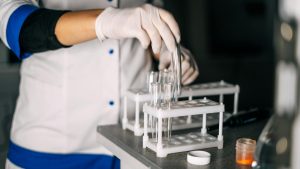
When a certified technician arrives for a PWTA test, they follow a strict protocol to ensure both samples are accurate:
- The Raw Sample: Usually taken from a spigot near the pressure tank, before the water hits any filters. If there is no bypass valve, the technician may have to work with a plumber to ensure a raw sample can be obtained.
- The Treated Sample: Usually taken from the kitchen faucet after the water has run for a specific amount of time (or “first draw” for lead and copper).
- Chain of Custody: Both sets of bottles are sealed and logged to ensure the results are legally defensible for the real estate transaction.
Proactive Steps for Sellers and Buyers
For Sellers: Don’t wait for the buyer’s test to find a raw water failure. By conducting your own “pre-listing” raw and treated analysis, you can identify if your filtration system needs a tune-up or if the media needs replacing. This allows you to present a “clean” treated report alongside the raw data, proving the home’s water is safe.
For Buyers: Always insist on seeing the raw results. If a seller only provides a treated water report, they are hiding the “true” nature of the well. You need to know if the water you are drinking is naturally pure or if it requires constant, expensive intervention to keep it that way.
Conclusion: Two Tests, One Goal
New Jersey’s requirement for both raw and treated water testing is not about red tape; it is about creating a transparent and safe environment for homeowners. The raw test respects the geology of our state, while the treated test respects the health of the residents.
Whether you are navigating a sale in a mineral-heavy region or simply want to ensure your home’s filtration is holding up, dual testing is the gold standard for water security. If you have questions about the specific parameters required for your county, reach out via our contact page. Knowledge is the only way to ensure that your “Garden State” home remains a healthy place to live.