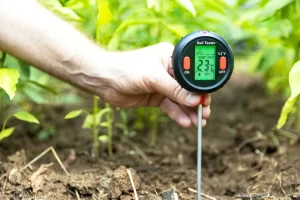

For many homeowners across the Northeast, particularly in the diverse geological landscapes of New Jersey, owning a private well is a point of pride. It represents independence from municipal systems and access to a natural resource right from your own backyard. However, that independence comes with the responsibility of monitoring the invisible chemistry of your water. One of the most common—and arguably most destructive—chemical imbalances found in local wells is low pH.
Often referred to as “acidic water,” low pH is a silent predator. It doesn’t usually carry a foul odor, and it doesn’t look cloudy in a glass. In fact, acidic water can be crystal clear. Yet, beneath that sparkling surface, it is actively working to dissolve your plumbing, compromise your appliances, and potentially introduce toxic metals into your family’s drinking supply.
Understanding the pH Scale: When Water Becomes “Aggressive”
To understand the risks, we must first look at the science. The pH scale ranges from 0 to 14, with 7.0 being perfectly neutral. Anything above 7.0 is considered alkaline (or basic), and anything below 7.0 is acidic.
In the context of well water, the Environmental Protection Agency (EPA) recommends a “Secondary Standard” range of 6.5 to 8.5. When your well water dips below 6.5, it is classified as acidic. Because the pH scale is logarithmic, water with a pH of 5.5 is ten times more acidic than water with a pH of 6.5. This “aggressive” water is chemically unstable; it lacks minerals and seeks to achieve balance by absorbing them from anything it touches—starting with your pipes.
The Primary Risk: Metal Leaching and Health Concerns
The greatest danger of low pH isn’t the acidity itself, but what that acidity does to your home’s infrastructure. Acidic water acts as a solvent. As it sits in your plumbing overnight, it eats away at the metal.
- Lead Leaching: In many older homes across New Jersey, copper pipes are joined by lead-based solder. Acidic water dissolves this solder, allowing lead to seep into your drinking water. According to the NJ Department of Health, there is no safe level of lead exposure, especially for children.
- Copper Toxicity: Even in newer homes with lead-free solder, low pH dissolves the copper pipes themselves. While copper is a necessary nutrient in trace amounts, high levels in drinking water can cause gastrointestinal distress, liver damage, and kidney issues over time.
Because these metals are dissolved, you cannot see them. This makes specialized services that include “first-draw” metal testing essential for any home with a pH below 6.5.
The Infrastructure Toll: Pinhole Leaks and Appliance Failure
While the health risks are the most critical concern, the financial impact of low pH is often what homeowners notice first. Acidic water is a slow-motion wrecking ball for your home’s mechanical systems.
1. Copper Pipe Corrosion The most famous symptom of low pH is the tell-tale blue-green stain in your sinks, tubs, and toilets. This isn’t just a cleaning nuisance; it is literal pieces of your plumbing being washed down the drain. Over time, this thinning of the pipe walls leads to “pinhole leaks”—microscopic failures in the copper that can cause massive water damage behind your walls before they are ever detected.
2. Damage to Water Heaters and Dishwashers Acidic water accelerates the degradation of heating elements and internal seals. A water heater that should last 12 years may fail in 5 or 6 when subjected to constant acidity. The cost of premature maintenance and appliance replacement can easily run into the thousands of dollars.
3. Fixture Degradation Chrome and brass fixtures are not immune. Low pH can eat through the finish of your faucets, leading to pitting and structural failure of the fixture itself.
Geological Factors: Why Your Local Well is Acidic
Why is low pH so common in our region? The answer lies in the soil and rock. In many New Jersey locations, particularly in the northern and central counties, the groundwater flows through granite and shale. These rock types are “non-carbonated,” meaning they don’t provide the natural calcium or magnesium needed to buffer the water’s acidity.
Additionally, as rainwater falls, it absorbs carbon dioxide from the atmosphere and the soil, forming a weak carbonic acid. If the local geology doesn’t provide enough minerals to neutralize this acid, the water remains “hungry” as it enters your well. This is a topic we frequently cover on our blog, as shifts in rainfall patterns can cause pH levels to fluctuate throughout the year.
Identifying the Problem: Beyond the Taste Test
You cannot taste pH. You might notice a slightly metallic tang if the acidity has already dissolved significant amounts of copper, but for many, the water tastes perfectly fine. To identify low pH, you must look for the “symptoms” and rely on professional data.
- Blue-Green Staining: The classic sign of copper corrosion.
- Metallic Aftertaste: Often most noticeable in the morning.
- Frequent Leaks: If you are calling a plumber for “random” leaks in your basement pipes, acidity is likely the culprit.
- Laundry Staining: Acidic water can react with detergents to leave odd stains on white fabrics.
At Olympian Well Water Testing, we emphasize that a visual inspection is only the starting point. A certified laboratory analysis is the only way to determine exactly how “aggressive” your water is and what metals it has already begun to leach.
The Solution: Acid Neutralizers
The good news is that low pH is one of the most treatable water quality issues. The standard solution is the installation of an Acid Neutralizer.
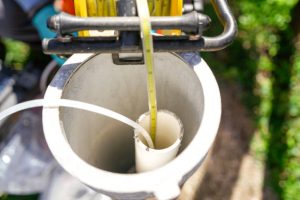
These systems work by passing your well water through a tank filled with crushed calcite (calcium carbonate) or a blend of calcite and magnesium oxide. As the acidic water flows through the media, it dissolves a small amount of these minerals. This process:
- Raises the pH to a neutral level (7.0+).
- “Satisfies” the water’s hunger for minerals, so it stops eating your pipes.
- Creates a protective mineral coating on the inside of your plumbing.
For homeowners preparing for a real estate transaction, installing a neutralizer is often a requirement if the “First Draw” lead and copper tests fail. By taking a proactive approach, you can avoid the stress of a failed inspection during a sale.
Steps for Well Owners
If you haven’t had your well’s pH checked in the last year, now is the time to act. Here is a recommended protocol:
- Standard Chemical Test: Check the pH, alkalinity, and hardness.
- First-Draw Metal Test: Sample the water after it has sat in the pipes for at least 6 hours to check for lead and copper leaching.
- Inspect Your System: Ensure any existing neutralizer has enough media; calcite dissolves over time and must be “topped off” as part of regular maintenance.
- Consult a Professional: If you notice blue stains, use a contact form to speak with a specialist who understands local water chemistry.
Conclusion: Protecting Your Home’s Lifeblood
Water is the lifeblood of your home, but when its pH is out of balance, it can become a destructive force. Low pH is a “hidden” risk because its effects are cumulative; it destroys your home molecule by molecule, day by day.
By understanding the science of acidity and the unique geological challenges of our region, you can take the necessary steps to neutralize the threat. Protecting your plumbing isn’t just about saving money on repairs—it’s about ensuring that the water your family drinks is as safe and healthy as it looks.