
The real estate market in Newark, New Jersey, is moving at a breakneck pace. From the historic charm of Forest Hill to the bustling residential streets of the Ironbound, homes are hitting the market and receiving offers in record time. However, for homeowners in the outlying areas of the city who rely on private wells, there is a hidden hurdle that can bring a high-stakes closing to a screeching halt: low pH levels.
As savvy Newark sellers prepare to list their properties, a new trend has emerged. Rather than waiting for a buyer’s home inspection to reveal issues, residents are rushing to test and remediate pH imbalances beforehand. They’ve learned that in the world of New Jersey real estate, “acidic water” is more than just a chemistry term—it’s a deal-killer.
The Science of pH: Why Newark’s Water is “Aggressive”
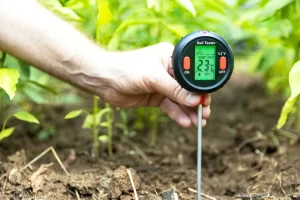
To understand why this is a local crisis, we have to look at the chemistry of the Newark Basin. The pH scale runs from 0 to 14, with 7.0 being neutral. Anything below 7.0 is considered acidic. In many parts of Newark, groundwater naturally sits between 5.5 and 6.5.
While this might not sound like a big difference, the pH scale is logarithmic. This means water with a pH of 5.5 is ten times more acidic than water with a pH of 6.5. When water is acidic, it becomes “aggressive.” It lacks the minerals it needs to be stable, so it begins to dissolve the metal pipes and fixtures it flows through. This leads to the leaching of copper and lead, which are primary failure points under the NJ Private Well Testing Act (PWTA).
Shutterstock
Explore
The “First Impression” Problem: Stains and Smells
For a seller, the visual impact of low pH is devastating. When acidic water eats away at copper plumbing, it creates a tell-tale blue-green stain in sinks, tubs, and toilets. To a potential buyer, these stains are a massive red flag signaling that the home’s plumbing infrastructure is being slowly destroyed from the inside out.
Furthermore, low pH often goes hand-in-hand with metallic tastes and odors. A buyer walking through a “luxury” Newark listing who tastes “pennies” when they try the tap water is unlikely to submit a full-price offer. By investing in professional services before the first open house, sellers can identify these imbalances and correct them, ensuring the home’s first impression is one of purity, not decay.
Why the “Rush” to Fix It?
Why are Newark sellers suddenly so proactive? It comes down to the timeline of a modern real estate transaction.
1. Avoiding the “Failed” Disclosure In New Jersey, once a water test is performed during a transaction, the results must be disclosed to all parties. If a seller waits for the buyer to test the well and it fails for pH or lead leaching, that “Failed” report stays with the property. By testing early and fixing the issue, the seller can honestly disclose that the water system is fully remediated and compliant.
2. Closing Delays Correcting a pH problem isn’t as simple as pouring a chemical down the well. It usually requires the installation of an acid neutralizer—a tank filled with crushed calcite or magnesium oxide. Ordering the equipment, scheduling the installation, and performing the mandatory retest can take three to four weeks. In a market where buyers want to close in 30 days, a pH problem discovered late in the game can lead to a contract cancellation.
3. Negotiating Power When a buyer discovers a problem, they often ask for a credit that far exceeds the actual cost of the repair. A buyer might ask for a $5,000 price reduction for “plumbing concerns,” whereas a seller could have installed a neutralizer for half that amount during routine maintenance before listing.
The Local Impact: Newark’s Vulnerable Infrastructure
Newark’s groundwater chemistry is unique. Unlike the limestone-rich areas of Western New Jersey which have naturally “hard” (high pH) water, the red sandstone and shale of the Newark Basin offer little in the way of natural acidity buffering.
For residents in this location, the age of the home also plays a factor. Many Newark houses still have original copper piping with lead solder. When you combine acidic water with these older materials, the rate of corrosion is accelerated. This has been a frequent topic on our blog, where we track how local soil conditions affect the longevity of residential well systems.
The Role of the Acid Neutralizer
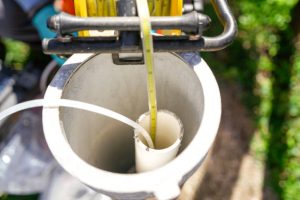
The most common solution for Newark sellers is the installation of an Acid Neutralizer. This system works by passing the acidic well water through a bed of calcium carbonate (calcite). As the water travels through the media, it dissolves a small amount of the mineral, which naturally raises the pH to a neutral level of 7.0 or higher.
This process does more than just help pass a test; it creates a protective coating on the inside of the home’s pipes. At Olympian Well Water Testing, we often see that homes with properly maintained neutralizers have significantly lower lead and copper levels, making the final PWTA report much cleaner and more attractive to lenders and buyers.
The Hidden Risks of “DIY” pH Fixing
Some sellers try to “game” the system by adding neutralizing chemicals directly to the well or using temporary filters. This is a mistake. The PWTA requires testing of the raw water and the treated water in certain scenarios. If a temporary fix fails during the buyer’s professional inspection, the seller loses all credibility.
Furthermore, the Environmental Protection Agency (EPA) notes that improper pH adjustment can lead to other issues, such as increased water hardness or mineral buildup in water heaters. A professional approach ensures the water is balanced, not just “masked.”
A Checklist for Newark Sellers
If you are planning to list your home in Newark within the next six months, follow this proactive strategy:
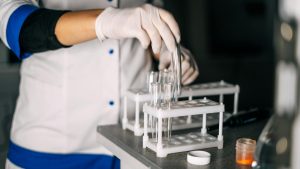
- Step 1: Preliminary Testing. Don’t guess. Order a basic pH and mineral test to see where you stand.
- Step 2: Inspect for Stains. Look at the “hidden” areas—the guest bathroom shower or the laundry sink. If there is blue staining, you have an acidity problem.
- Step 3: Consult a Specialist. Reach out through a contact page to determine the right size of neutralizer for your home’s flow rate.
- Step 4: Document Everything. Keep the receipts and the “before and after” lab results. These documents are gold during the due diligence phase of a sale.
Conclusion: Purity as a Selling Point
In the Newark real estate market, transparency is the ultimate currency. Sellers who take the initiative to fix pH problems before they become “deal-breakers” are seeing faster closings and higher satisfaction from buyers.
Your well water is the lifeblood of your home. By ensuring it is chemically balanced, you aren’t just passing a state-mandated test; you are protecting the home’s plumbing, the buyer’s health, and your own financial interests. In a city as competitive as Newark, having “Perfect pH” is a luxury feature that pays for itself at the closing table.