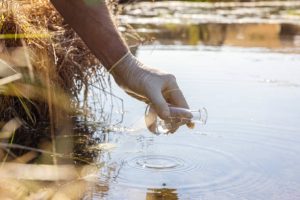

Owning a private well can bring peace of mind and convenience. It does require steady attention. Regular well water testing helps detect changes in quality and shields families from possible hazards.
In many parts of New Jersey, groundwater may carry hidden threats. NJ well water can face private well contamination from bacteria, pathogens, or chemical pollutants. Vigilant upkeep lowers these risks and preserves safe drinking water for everyone.
Key Takeaways
- Regular monitoring of NJ well water protects against sudden changes
- Well water testing spots issues before they become widespread
- Private well contamination can arise from natural or human sources
- Certified professionals can diagnose and treat unclean wells
- Routine care and inspections are central to water safety
- Safe drinking water underpins good health
Understanding the Basics of Well Maintenance
Keeping private wells in top shape is essential, regardless of the season. Regular maintenance, including seasonal well maintenance, ensures water remains clean and flow is consistent. By following a simple maintenance schedule, families can avoid unexpected disruptions.
Key Components of a Well System
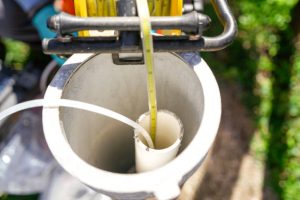
A well system typically consists of a robust casing that protects water from external contaminants. Pumps are responsible for bringing water into the home. Pipes and storage tanks manage pressure levels. Regular inspections of these components are vital for contaminant prevention and extending the system’s life.
Early Warning Signs of Possible Issues
Any changes in water smell, taste, or sudden spikes in energy costs should prompt immediate action. Low water flow might indicate a failing pump or damaged casing. Addressing these issues promptly can prevent more serious problems and safeguard health. Regular well water testing helps identify any quality issues before they escalate.
| Well Component | Purpose | Maintenance Tip |
| Casing | Shields water from debris | Look for cracks or gaps |
| Pump | Draws water from the ground | Check for odd noises or leaks |
| Storage Tank | Manages pressure and supply | Assess fittings for corrosion |
Recognizing Signs of Potential Contamination
Even when water looks clear, it can harbor hidden dangers. Unusual smells, unexpected colors, or a metallic taste in your water could signal private well contamination. Small changes in color or stains on your faucets might also indicate underlying issues. Regular inspections are essential, as many pollutants remain undetected without consistent monitoring.
Regular well water testing is vital to ensure your water’s safety. Hidden threats include bacteria and slight chemical changes, often linked to nitrate levels from agricultural runoff. Being vigilant about any unusual tastes or smells is critical. It helps prevent more severe issues, keeping your water both safe and enjoyable to drink.
Investigating Common Pollutants in Private Wells
Property owners often face the challenge of contaminants in their well water. These can come from old septic systems, farming practices, and industrial waste. Keeping waste properly managed and conducting regular checks are essential for maintaining clean drinking water.
Bacterial Contaminants
Bacteria like E. coli can enter wells through damaged casings or unsealed caps. These microorganisms thrive in moist environments and can be harmful to health. It’s critical to test regularly and act quickly, including disinfection, to prevent illness.
Nitrate Levels and Chemical Runoff
Fertilizers and chemical runoff from farms can pollute the aquifer. High nitrate levels are a significant concern, leading to water quality issues, near agricultural fields. Following Environmental Protection Agency guidelines can help reduce pollutants and protect families.
| Pollutant | Primary Source | Mitigation Tips |
| Coliform Bacteria | Surface Water Infiltration | Seal Cracks, Install Proper Well Caps |
| Excess Nitrates | Overuse of Fertilizers | Limit Chemical Application, Schedule Regular Water Tests |
| Synthetic Chemicals | Industrial or Agricultural Runoff | Store Fuels Properly, Follow EPA Disposal Guidelines |
The Importance of Testing NJ well water Regularly
Homeowners with private wells must prioritize regular testing to protect their drinking water. Hidden contaminants can pose significant risks, often undetected. Annual tests are a critical defense against these threats.
Annual NJ well water testing can uncover bacterial threats, nitrate imbalances, and heavy metal signs. The EPA and many experts agree that regular testing is essential for health and peace of mind.
Recommended Testing Frequency
Public health authorities generally recommend annual well water testing. Weather events or nearby construction may necessitate more frequent checks. This routine ensures that harmful contaminants are caught before they become a problem.
Professional Lab Analysis vs. DIY Kits
Certified labs offer detailed screenings and accurate data. Their advanced tools detect a broader range of contaminants, helping households find effective solutions. While DIY kits can signal significant changes, they often miss deeper issues. A professional well inspection is vital for identifying subtle risks early on.
| Testing Method | Advantages | Considerations |
| Lab Analysis | Comprehensive scans | Requires expert handling |
| DIY Kits | Budget-friendly | Limited detection capabilities |
Interpreting Your Water Test Results
Understanding lab reports can be daunting. EPA resources are invaluable for setting standards for bacteria, nitrates, and pH levels. If results exceed these standards, it might be necessary to shock chlorinate, repair the system, or use advanced filtration. This strategy is key to contaminant prevention and ensuring the water is safe for everyday use.
High nitrates or bacteria in well water testing require immediate action. Often, the cause is runoff from farms or old well parts. Quick intervention is critical to safeguard families from health risks. Keeping detailed records is essential, as they show trends before issues become severe.
Regular seasonal well maintenance check-ups offer additional protection. These tests detect minor changes in water quality and unusual patterns. Owners who review annual test results can make informed decisions about upgrades or treatments. This proactive approach ensures long-term water security and boosts confidence in every drop.
Strategies for Preventing Contamination
Protecting well water begins with regular monitoring and proactive steps to block pollutants. Inspecting equipment and surroundings helps identify any gaps where contaminants could enter. These measures prevent significant damage and ensure consistent water flow.
Proper Well Construction and Sealing
Building wellheads above ground prevents floodwater from reaching sensitive areas. A professional well inspection ensures that sealing materials are intact and without defects. Certified teams place new wells at safe distances from septic systems to enhance contaminant prevention. Maintaining these protective measures is essential for a healthy water supply.
Safely Handling Agricultural Chemicals
Using fertilizers and pesticides with caution reduces the risk of runoff. Avoid spraying near areas where water can seep or too close to the wellhead. Smaller applications help avoid oversaturation and keep groundwater clean. This careful use of chemicals supports well health and cleaner water.
Shock Chlorination Practices for Disinfection
Shock chlorination is a reliable method for disinfecting water systems when routine checks show bacterial issues or unwanted microbes. It involves adding a strong chlorine solution to the water system. This allows the treatment to circulate and then flush the lines. It effectively neutralizes various pathogens that threaten water safety.
Experts recommend wearing protective gloves and a mask during application. It’s also wise to ensure good ventilation while flushing out chlorinated water. While short-term fixes address immediate risks, structural inspections may be necessary if problems persist. Cracked casings and worn seals need prompt repairs.
- Check chlorine dosage based on well size.
- Run each faucet to ensure full system coverage.
- Use well water testing after treatment to confirm safety.
Frequent testing and balanced chlorination can maintain water quality in most wells. Regularly observing water clarity and odor helps spot warning signs early. This proactive approach, combined with consistent upkeep and professional advice, is key. It prevents repeated incidents of private well contamination.
Seasonal Maintenance Routines
As the weather changes, private wells face additional stress. Seasonal well maintenance is key to avoiding sudden water flow drops or contamination. It’s smart to schedule well water testing when temperatures fluctuate. Also, arrange for a professional well inspection if you notice any unusual signs.
Winter Precautions
Freezing weather can cause pipes and casings to crack. Insulating exposed plumbing helps protect it. If you see soggy spots near the well, act fast. This prevents leaks or contamination from entering the system.
Summer Water Usage Tips
In warmer months, water use for lawns and gardens increases. Keep an eye out for taste changes or pressure drops. A recommended schedule for well chlorination can help maintain water quality. Simple steps ensure aquifers stay strong, supporting daily water needs.
Understanding Water Treatment Options
In many homes, thorough well water testing is essential for safe drinking water. Basic filters are suitable for minor issues. For more severe problems, advanced units are necessary, focusing on contaminant prevention. The choice depends on the water’s profile, considering capacity and cost.
Reverse osmosis is a popular choice for removing dissolved solids. Ultraviolet disinfection targets live pathogens. Some systems combine UV and filtration for better protection. Shock chlorination is a periodic method for sanitizing, but regular monitoring is key for ongoing water safety. Each method requires dedicated maintenance, from filter changes to seal inspections.
Experts recommend regular water condition checks. Routine well water testing confirms the effectiveness of filtration and disinfection. Shock chlorination can be added if bacterial spikes occur. Brands like Brita, Culligan, or Viqua offer various solutions, each with its own advantages and disadvantages.
| Brand/System | Pros | Cons | Maintenance |
| Brita Basic Filter | Easy setup | Limited scope | Frequent filter changes |
| Culligan Reverse Osmosis | Wide-range contaminant removal | Requires professional installation | Periodic membrane replacement |
| Viqua UV System | Powerful biological defense | Needs stable power source | Annual lamp replacement |
Hiring Certified Professionals for Well Inspections
Seeking expert advice is vital for safeguarding water resources. A certified specialist brings deep knowledge of local conditions and the tools to detect structural issues or leaks. This ensures NJ well water remains safe and of high quality over the long term.
What to Look for in an Inspector
Accreditation and field experience are essential. Look for professionals with the right licenses and proven expertise in local geology. A detailed inspection involves pump checks, casing evaluations, and precise measurements. These steps significantly reduce the risk of contamination.
Questions to Ask Before Hiring
Check for credentials, affiliations, and insurance. Each question should confirm the inspector’s knowledge of local hazards. Inquire about post-inspection guidance and water testing frequency. A professional inspection often uncovers hidden issues that could be expensive later on.
| Key Credentials | Reason to Verify |
| State License | Ensures compliance with regulations |
| Specialized Training | Indicates background in well-specific tasks |
| Local Expertise | Addresses risks unique to regional conditions |
Protecting Well Structures from Environmental Factors
Owners must plan carefully to safeguard their wells. It’s essential to ensure the soil slopes away from the casing to prevent water pooling. This method aids in seasonal well maintenance by reducing floodwater entry into vulnerable areas. Regular monitoring is key in preventing contamination when stormwater threatens to carry debris towards the wellhead.
Flood Prevention Measures
Rain and melting snow can overwhelm protective barriers. Constructing a raised berm or installing a drainage trench can redirect water. It’s also important to keep electrical components dry with watertight seals. These measures reduce infiltration risks and protect the well from sudden flooding.
Lawn and Landscaping Considerations
Shallow-rooted grasses and shrubs can act as a shield for the well without straining underground structures. Avoid planting large trees too close to the casing, as they might damage the seal. Reducing agricultural chemical use in the yard promotes healthier groundwater. This approach supports a broader commitment to preserving water quality and integrity.
| Environmental Factor | Protective Tip |
| Heavy Rainfall | Install proper grading and drainage channels |
| Root Encroachment | Plant shallow-root species near well areas |
| Surface Runoff | Limit use of agricultural chemicals and seal openings |
Planning for Emergencies and Power Outages
Storms can disrupt a well’s pumping system. Power interruptions stop water from reaching taps. Having a reliable backup generator, such as a Generac model, keeps essential equipment running. It’s wise to store extra drinking water in sealed jugs. This limits vulnerabilities when resources run low. Public safety agencies recommend preparing for extended outages by gathering essential supplies in advance. Bottled brands like Nestlé or Poland Spring can serve as short-term options.
Emergency well maintenance remains critical if floodwater threatens the property. Standing debris or muddy conditions might contaminate the well. Shock chlorination is often recommended once water recedes. Well water testing confirms purity and prevents usage of polluted water. Seasonal well maintenance often protects pipes and pumping components year-round, reducing the need for major repairs during a crisis.
Careful preparation cuts risks when municipal supplies or power grids fail. A plan for safe storage, prompt disinfection, and generator operation helps families stay secure until normal conditions return.
Integrating Sustainable Practices in Well Care
Being mindful of water usage is key to preserving local resources and maintaining sustainable well practices. Upgrading to high-efficiency appliances and fixtures can significantly lower utility bills. It also reduces the strain on aquifers. Homeowners aiming for long-term water security focus on irrigation methods. They strive to balance personal needs with environmental responsibility.
Water Conservation Techniques
Installing low-flow showerheads or toilets is a simple yet effective way to cut down on daily water use. Drip irrigation systems deliver water directly to plant roots, reducing runoff and waste. Choosing native plant species that thrive in local conditions leads to landscapes that need less maintenance and resources.
Eco-Friendly Ways to Reduce Pollution
Limiting excess fertilizer application helps control nitrate levels and prevents contamination. Proper handling of agricultural chemicals prevents harmful substances from entering groundwater. Disposing of household solvents at approved centers protects well water and promotes healthier ecosystems. These actions demonstrate how daily choices can safeguard your property and ensure clean water for future generations.
Monitoring Long-Term Water Quality
Tracking year-to-year changes in pH, bacterial content, and other key indicators paints a detailed picture of long-term water quality. A well water testing record can uncover subtle patterns that safeguard families from health risks. Even slight changes in taste or appearance may indicate an emerging issue before it becomes severe.
Keeping records of usage patterns and pump operation allows for swift action when conditions deviate from the norm. This meticulous note-taking supports decisions to seek a professional well inspection when test results hint at deeper concerns. Regularly monitoring seasonal and environmental factors ensures future repairs are manageable, making life easier for property owners.
“Regular recordkeeping and thoughtful comparisons predict when minor adjustments can save time and expense,” states an Environmental Protection Agency resource.
Collecting data over multiple years enhances understanding of evolving water conditions. Detailed logs help manage maintenance budgets, promote well longevity, and ensure the safety of valuable water sources.
Safeguarding Your Water for the Years Ahead
Regular upkeep is key for families to trust their NJ well water without worry. Simple steps can prevent issues that come with aging systems. Scheduling professional check-ups helps keep contaminants out, protecting households from harmful substances.
Quick action to strange tastes, odors, or pressure changes can prevent major damage. Sustainable well practices, like sealing cracks and protecting the wellhead, keep water clean. The cost of routine checks is much less than fixing expensive problems. By focusing on inspections and watching for warning signs, wells can provide safe water for decades. Each effort extends the service life, ensuring peace of mind and quality water for years.
FAQ
Why is well maintenance essential for homeowners in New Jersey?
Homeowners in New Jersey rely on private wells for clean water. Regular inspections and tests for pollutants are key. This ensures the well’s casing and cap stay secure, protecting against contamination.
What are the key components of a properly constructed well system?
A well system includes a casing, pump, pipes, and sometimes a storage tank. The casing keeps out debris and prevents soil infiltration. Pipes and a sealed cap protect water from contaminants.
How can someone recognize early signs of well-related issues?
Changes in water taste or color may indicate contamination. Unexpected electricity bill increases suggest pump problems. Low water pressure could mean a damaged casing or clogged filters.
Why are certain contaminants, like coliform bacteria or E. coli, so prevalent in private wells?
Bacteria contamination often comes from faulty seals or surface water. Agricultural runoff can introduce harmful bacteria. Regular testing and sealing practices help control these risks.
How do nitrates and chemical runoff end up in NJ well water?
Nitrates come from fertilizer use and septic system failures. Chemicals can seep in near industrial sites. Proper fertilizer use and septic checks can reduce these risks.
How frequently should homeowners test their well water?
Annual testing for bacteria and nitrates is recommended. Some test more often, like near farms or after flooding. This helps catch hidden contaminants early.
What is the difference between professional lab analysis and DIY testing kits?
Professional labs detect a wider range of pollutants. DIY kits are less detailed. Certified labs provide accurate results for peace of mind.
How should well owners interpret their water test reports?
Reports show levels of bacteria, nitrates, and more. Compare these to EPA guidelines. If levels are high, consider shock chlorination or professional help.
What preventive measures help reduce contamination risks?
Proper well construction and sealing are key. Safe fertilizer use and distance from septic systems also help. These steps prevent contamination.
When is shock chlorination necessary, and is it permanent?
Shock chlorination is needed for bacterial contamination. It’s a temporary fix. Deeper problems like cracked casings may require professional repairs.
What steps help keep a well secure during winter?
Insulate pipes and monitor frost levels. Inspect the wellhead for cracks. Freeze-thaw cycles can damage the well. Preventive maintenance keeps the water safe.
How can heavy summer water usage affect a private well?
High demand can draw down the aquifer quickly. This concentrates pollutants and changes water pressure. Conserving water and frequent testing help mitigate these effects.
Which water treatment options address multiple contaminants?
Point-of-use filters and reverse osmosis systems target various contaminants. UV disinfection units kill bacteria. Regular upkeep is essential for each system.
What should individuals consider when hiring certified well professionals?
Check their credentials and experience with local geology. Ask for references and detailed reports. Certified inspectors provide critical insights for well safety.
How can environmental factors, like flooding, compromise a well?
Floodwater carries pollutants that can enter a compromised well. Proper grading and vegetation can protect the well. Minimize pesticide use near the well.
What emergency measures can ensure clean water if the power goes out?
Use a backup generator for the pump. Store drinking water and have a shock chlorination plan. Re-test water after flooding or pressure loss.
Are there sustainable ways to care for a well while minimizing environmental impact?
Use water conservation strategies like low-flow fixtures. Eco-friendly landscaping and careful fertilizer use reduce runoff. This protects groundwater for the future.
How important is record-keeping to monitor long-term water quality?
Keeping a well log tracks changes in water quality. Note any changes or maintenance procedures. This helps identify issues early and prevent costly repairs.
What final points should well owners remember for long-term safety?
Regular testing, inspections, and maintenance ensure a reliable water source. Addressing minor issues quickly prevents major problems. A well-kept well is essential for health and safety.