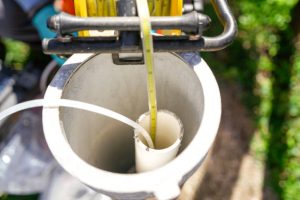

For many Jersey City homeowners, relying on a private well for household water is a longstanding practice. Private wells provide independence from municipal water systems, often delivering clean, fresh water directly from local groundwater. However, recent reports and homeowner experiences indicate that private wells may harbor hidden contaminants that are not immediately visible, tasteless, and sometimes hazardous.
Unlike city-supplied water, which is regularly monitored and treated, private well water is entirely the homeowner’s responsibility. This means that without proper testing and maintenance, contaminants can accumulate unnoticed. Factors such as heavy rainfall, construction activity, aging septic systems, or even seasonal groundwater changes can introduce bacteria, minerals, and chemical pollutants into wells. Homeowners often discover issues only after noticing health symptoms, plumbing problems, or discoloration in water.
Understanding the Risks in Jersey City
Jersey City’s urban and suburban mix makes private well safety particularly important. Contaminants like nitrates, arsenic, and volatile organic compounds (VOCs) can infiltrate wells through soil, runoff, and industrial activities. Even naturally occurring minerals like iron and manganese, while not always harmful, can stain fixtures, clog pipes, and affect water taste. For families with children, elderly individuals, or immunocompromised members, exposure to bacterial contamination such as E. coli or coliform bacteria can be especially dangerous.
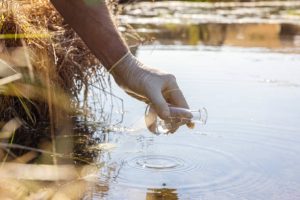
Annual testing is essential to detect these hidden risks. Certified water testing services ensure that samples are analyzed using scientifically validated methods that meet state and federal standards. According to Olympian Well Water Testing, “Regular testing also helps detect new issues early, before they become expensive or dangerous” (services). DIY kits, while convenient, cannot match the accuracy and reliability of professional laboratory testing, often missing subtle but critical contaminants.
Hidden Contaminants You Might Not See
One of the challenges with private well water is that many contaminants are invisible and tasteless. Some of the most concerning include:
- Arsenic – A naturally occurring element that can cause long-term health issues if ingested at high levels.
- Nitrates – Often from fertilizers or septic system leakage, nitrates can be dangerous for infants and pregnant women.
- PFAS – “Forever chemicals” from industrial and consumer products that are increasingly detected in groundwater.
- Bacteria – Coliform bacteria, including E. coli, can enter wells through surface runoff, floods, or broken well casings.
Because these substances may not change the water’s appearance or smell, homeowners may not realize there is a problem. Certified annual testing is the only way to verify water safety. Olympian Well Water Testing emphasizes this point on their maintenance page, recommending regular inspections to keep wells operating safely.
Protecting Your Family and Home
Proactive maintenance and testing can prevent costly damage and health risks. Regular well inspections, proper sealing, and treatment of water when necessary help safeguard both plumbing and health. For Jersey City residents, knowing local risks and engaging professional services ensures peace of mind. Olympian Well Water Testing serves multiple locations, including the New Jersey area (locations), making it easier for homeowners to schedule professional sampling and consultations.
Additionally, understanding the source of contamination can guide remediation. For example, if high iron or manganese levels are detected, water softeners or filtration systems may be recommended. If bacterial contamination is present, shock chlorination or UV treatment may be required. Comprehensive water testing not only identifies current problems but also informs long-term maintenance strategies.
Local Insights and Resources
Jersey City homeowners can benefit from both local expertise and authoritative guidance. The New Jersey Department of Environmental Protection (NJDEP) provides resources on private well water safety, including recommended testing intervals and potential contaminants (NJDEP Private Wells). Combining professional testing with local knowledge helps homeowners make informed decisions and protects families from hidden dangers.
For more information on services, maintenance tips, and water safety, residents can explore Olympian Well Water Testing’s blog or contact their team directly (contact). Taking these steps ensures that private wells continue to provide safe, clean water for everyday use.
Conclusion
While private wells offer independence and reliable water supply, they come with hidden responsibilities. Jersey City homeowners are increasingly recognizing the importance of regular testing and professional maintenance to detect contaminants before they pose health risks. Certified sampling, annual inspections, and prompt treatment of any detected issues are essential steps in protecting families, homes, and long-term water quality.
Private well safety should never be assumed. By leveraging local expertise and authoritative resources, Jersey City homeowners can confidently ensure that their water remains clean, healthy, and safe for every household member.