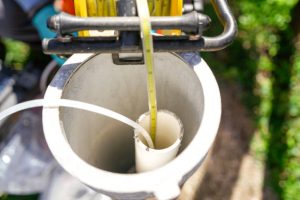

In New Jersey, some wells undergo taste or odor shifts as winter transitions to spring. Changes in precipitation and temperature can alter groundwater flow, impacting well water availability.
Seasonal changes in well water often stem from heavy rain or snowmelt infiltration. Regular inspections are essential to identify contaminants and maintain water quality for drinking and cooking.
Key Takeaways
- Many private wells respond quickly to changing weather patterns.
- Fluctuations in rainfall can alter water chemistry.
- Seasonal events may introduce sediment or pollutants.
- Routine testing supports a safe drinking supply.
- Maintenance plays a key role in protecting NJ well water.
- Awareness of seasonal well water fluctuations helps detect problems early.
Overview of Seasonal Influences on Groundwater
Wet months can lead to higher water tables, pushing extra material into wells and increasing contamination risks. While abundant rainfall replenishes aquifers, it also carries pollutants towards underground sources. In contrast, dry periods see water reserves dwindle, resulting in water with higher mineral content. This can impact both taste and health.
Regular checks are critical for owners aiming for safe water use. Private well maintenance allows for early detection of equipment problems, preventing unexpected issues during dry seasons. Research shows that weather changes can significantly alter groundwater recharge rates, affecting water availability. Homeowners who keep a close eye on their well output and schedule preventive maintenance can maintain consistent supplies throughout the year.
Why NJ Well Water Is Vulnerable to Seasonal Fluctuations
New Jersey’s weather patterns are constantly changing, creating an environment where pollutants can easily enter underground water sources. The intense cold of winter and the dampness of spring can alter water flow. This affects private wells across many counties.
“According to the U.S. Environmental Protection Agency, private well owners hold the primary responsibility for maintaining safe water quality.”
Impact of Snowmelt and Rainfall
When snow melts, it carries fertilizers and other contaminants into the groundwater. Heavy rain can also erode topsoil, exposing land to runoff. This increases the risk of contamination in residential wells. It’s important to be vigilant during these weather changes to protect family health.
Shifts in Aquifer Recharge Patterns
Temperature swings can change how quickly local aquifers refill. This shift can concentrate unwanted substances, making regular well water testing essential. Early detection is key to preventing problems caused by tapping into deeper or shallower zones during unstable recharge periods.
Springtime Effects on Residential Wells
As temperatures rise, the ground becomes saturated, impacting well performance. Rainwater, carrying nutrients and debris, seeps into the soil. Homeowners often notice changes in taste or odor, signaling spring’s intensification of existing issues. Vigilance is key to avoiding costly repairs later on.
The Role of Increased Rainfall
Consistent rain pushes water deeper into aquifers, aiding in well recharge. Yet, it also poses risks of unexpected seepage. In areas with rich organic soils, this can lead to seasonal water quality changes. Implementing small filtration updates can help keep pollutants out, safeguarding household health.
Potential Contaminant Runoff
Heavy rains can wash fertilizers, road salt, and yard chemicals into groundwater. These substances can enter through cracks or gaps near the wellhead, altering water clarity and taste. Sealing vulnerabilities and employing effective filtration are essential to safeguard your water. Regular inspections are critical, peaking during the spring’s heaviest rainfall.
Summer Heat and Drought Implications
Summer brings scorching heat and dry spells, leading to lower water levels. This situation increases the risk of water shortages. In New Jersey, well water may face additional strain from increased lawn and pool water usage. The warmer weather also accelerates bacterial growth, making contamination issues more severe.
To conserve water, households might cut back on usage. Testing becomes essential to detect bacterial contamination and safeguard health. The seasonal fluctuations in well water can make wells more susceptible to unexpected shortages during these months.
Experts suggest considering deeper drilling or installing new filtration systems. These measures help maintain water quality and adapt to changing conditions.
- Limit irrigation to early morning or late evening.
- Inspect well components for signs of wear.
- Store emergency water in a clean tank.
| Approach | Benefit | Tip |
| Deeper Drilling | Prolonged Access | Access water table shifts |
| Filtration Upgrade | Contaminant Control | Block bacterial influx |
| System Check-Ups | Early Detection | Spot damaged parts fast |
Monitoring Water Quality Throughout Fall
Autumn brings changes in weather and the decomposition of leaves, subtly affecting well water’s taste and color. Tannins from rotting foliage can turn water yellowish. Cooler nights alter underground water seepage, impacting groundwater recharge and daily water use. Regular checks and private well maintenance are key to catching early signs of issues.
Temperature drops can exacerbate minor problems. Some homeowners detect a musty smell during this time. Leaf litter near the wellhead traps moisture, introducing organic particles into the system. This makes routine testing essential.
Detecting Early Warning Signs
Low rainfall slows well replenishment. A sudden change in water clarity or taste may indicate problems. Look out for:
- Unusual odors that linger
- Brown or yellow stains near fixtures
- Persistent sediment in tap water
Adjusting Treatment Techniques
Water filtration tools need adjusting for autumn’s needs. Many opt for stronger disinfection methods or carbon filters to combat organic residues. Targeted maintenance at this time prevents future headaches, ensuring water remains clean and safe for all household needs.
Winter Freezing and Low Temperatures
In colder climates, wells face damaging conditions as temperatures drop. Frozen pipes or cracked components let outside elements in, increasing the risk of well contamination. Road salt and deicing products can seep into shallow groundwater, raising sodium levels. This can affect water taste and safety.
Many households focus on well water testing during winter. Detecting bacterial growth or excessive minerals early is key. A quick check of pipe insulation can prevent freeze-related issues. Some homeowners use thermal wraps on pump housings to keep systems running even in freezing weather.
Prevention is about consistent care. Steps include:
- Checking seals around valves and connections
- Scheduling regular well water testing
- Keeping backup supplies on hand
These efforts protect health and reduce repair costs. A solid maintenance routine lowers contamination risks. Taking action early ensures a safe water supply all winter long.
Staying Informed About Well Water Testing
Many well owners rely on consistent testing to keep water safe. It’s important to remain alert to changes in appearance or scent. Seasonal changes in water smell or taste may signal hidden issues. A proactive approach builds confidence in everyday use.
Recommended Testing Frequency
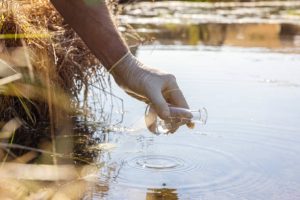
Most experts suggest annual checks. Areas prone to heavy rainfall or agricultural runoff may need more frequent monitoring. Tests examine bacteria, nitrates, and other contaminants. Regular assessments support protecting your water supply from unexpected surprises.
Professional vs. DIY Testing Methods
Professional lab analyses deliver thorough results across a wide range of pollutants. They often uncover issues overlooked by basic kits. DIY methods can be handy for quick checks but may lack precision. A balanced approach, guided by expert advice, offers fresh peace of mind.
Common Contaminants Linked to Seasonal Changes
Wetter months bring runoff from fields and lawns, carrying nitrates into NJ well water. Homeowners often use fertilizers for their gardens. These chemicals can seep into private wells, impacting taste and safety.
Winter road salt can trickle underground when snow melts. Seasonal changes in well water can heighten these risks. Some turn to reverse osmosis or brands like Culligan for treatment. This ensures harmful substances stay within safe limits.
Regular checks are essential. Changes in aquifer levels can increase how quickly contaminants infiltrate. By staying alert to seasonal shifts, families can protect their drinking water.
Protecting Against Surface Runoff After Storms
Heavy rain can push debris and harmful chemicals into wells without protection. Implementing effective drainage methods helps mitigate this risk and supports groundwater recharge. Regular maintenance of private wells is essential, as small openings can allow contaminants to enter.
Flooding Risks and Prevention
Recurring floods can significantly degrade water quality. Ensuring a well is sealed against debris is critical. Installing drainage ditches to redirect stormwater is also beneficial for landowners.
- Checking nearby drainage structures for blockages
- Elevating sensitive areas prone to pooling
- Sloping surrounding soil to discourage water buildup and support private well maintenance
Effective Landscaping Solutions
Features like berms or rock beds can manage runoff effectively. These structures, along with gentle slopes, direct water away from wells, preventing contamination. Trees and shrubs with deep roots further filter pollutants before they reach the aquifer.
| Strategy | Key Advantage |
| Soil Contouring | Directs water flow away from vulnerable zones |
| Mulch Layers | Traps sediment while fostering healthier soil |
| Reseeding Grass | Strengthens root systems for added soil stability |
Adapting Your Well System to Changing Conditions
Seasonal changes can impact a home’s water quality. Variations in rainfall and temperature can alter well performance, increasing the risk of contamination. Regular checks help families address small issues before they become major problems.
Upgrading Filtration Technologies
Enhancing filtration systems protects against harmful bacteria, heavy metals, and pesticides. Some opt for ultraviolet disinfection for microbial control. Others switch to advanced cartridges that target specific contaminants. Regular well water testing is key to identifying necessary upgrades.
Managing Water Storage
Storing treated water is essential during high usage or low pump rates. A well-sized tank can provide a steady supply during dry spells. NSF International provides standards for safe storage materials, guiding homeowners in their choices.
- Evaluate storage capacity based on daily demand
- Inspect tanks for cracks or leaks
- Disinfect interior surfaces as recommended
| Filtration Technology | Purpose | Maintenance Frequency |
| Ultraviolet System | Neutralizes Bacteria and Viruses | Yearly Lamp Replacement |
| Sediment Filter | Removes Sand and Silt | Check Every 6 Months |
| Activated Carbon Cartridge | Reduces Chlorine and Odors | Replace Annually |
Legal Guidelines for Well Owners
Local ordinances and state rules often require private wells to follow specific standards. In some regions, routine tests for bacteria and other contaminants must be performed on a regular schedule. These obligations help owners manage any issues that might emerge.
New Jersey implements official guidelines that set testing intervals and define acceptable thresholds for substances like nitrates or arsenic. Meeting these rules creates a reliable record of results. This record is useful for property transactions and insurance purposes.
Documenting your samples ensures ongoing oversight while addressing seasonal changes in water smell or taste. A well that undergoes consistent scrutiny stands a lower chance of releasing pollutants into shared resources.
When owners remain aware of municipal deadlines and consult certified laboratories, they reduce the chance of penalties for noncompliance. This approach also supports protecting your water supply and bolsters community health.
Cost-Effective Measures for Seasonal Maintenance
Many well owners believe that maintaining their wells is costly. Yet, simple routines and smart planning can keep expenses low without compromising quality. This approach ensures NJ well water remains pristine, even with seasonal changes.
Budget-Friendly Water Testing
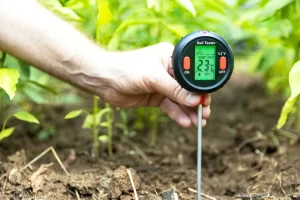
Low-cost test kits can identify early signs of contamination. Quick dip tests or basic strips can detect pH or mineral level changes. While lab analyses provide detailed results, these affordable tools serve as an initial warning for any shifts.
Preventive Equipment Checks
Using corrosion-resistant components and regular inspections of the well cap can prevent costly repairs. Small actions, like tightening seals and removing debris, keep the system running smoothly. Many owners also schedule yearly professional visits to catch hidden problems early, avoiding more expensive fixes later.
Addressing Common Misconceptions About Seasonal Impact
Some people think unusual odors in spring are always harmless. This belief can lead to complacency, even when contaminants can smell like mold. Understanding natural changes is key to effective private well care.
Seasonal changes might seem small, but groundwater recharge patterns can shift significantly. Even slight temperature changes or storms can impact well health. Making informed choices helps homeowners avoid unnecessary worry or neglect.
Myths vs. Facts
Misconceptions arise when casual observations replace solid data. Many believe clear water means it’s safe. Yet, testing is essential for any suspected change.
- Musty smells can hide pollutants, not just harmless decay.
- Regular maintenance doesn’t always mean higher costs if planned well.
Energy Consumption Concerns
Modern filtration and pumping systems are designed to use less power. Homeowners often fret about higher bills, but most systems are energy-efficient. Regular monitoring helps keep costs down and water quality up.
| Belief | Reality |
| Constant Well Pump Strain | New models adjust flow to reduce energy draw |
| Seasonal Upgrades Increase Costs | Smart planning lowers expenses over time |
Analyzing Long-Term Climate Trends
Weather patterns over extended periods significantly impact groundwater levels. In many areas, prolonged dry spells can lower aquifers below normal, affecting well performance. Homeowners can monitor these trends using data from reliable sources like the U.S. Drought Monitor.
Severe dry conditions raise the risk of well contamination as groundwater levels decrease, concentrating harmful substances. Heavy rainfall from storms can further increase this risk by flooding areas with agricultural chemicals or road salts. Keeping an eye on these changes is vital for managing water usage and planning for replenishment.
Regular well water testing is critical for maintaining water quality under different climate conditions. This practice helps detect contamination early, ensuring a steady supply of clean water at home.
| Climate Factor | Potential Influence | Suggested Preparation |
| Drought Patterns | Reduced Aquifer Recharge | Schedule Conservation Measures |
| Frequent Storms | Flood-Related Pollutants | Improve Groundwater Barriers |
| Temperature Extremes | Fluctuations in Water Demand | Adjust Usage and Reserve Supplies |
Expert Tips for Safeguarding Your Water Supply
Maintaining a private well requires constant vigilance. Changes in temperature, heavy rains, or dry spells can alter water smell or taste. Taking immediate action can mitigate risks and ensure water remains safe for use.
Seeking professional advice is essential for protecting your water. Homeowners who collaborate with certified experts often address contamination issues more effectively. Regular planning and inspections help prevent unexpected dangers.
Emergency Preparedness
A well-thought-out backup plan is vital for families during storms or pump failures. It combines preventive maintenance with quick access to tools for maintaining water flow.
- Keep a portable generator on hand for power outages.
- Store spare filters and necessary fittings for quick fixes.
- Schedule regular inspections to spot any leaks or failing parts.
Building Community Awareness
Neighbors who share resources can lower costs through joint laboratory tests. This cooperation fosters early detection of harmful substances.
“Regular inspections help preserve water quality for everyone.” — U.S. Environmental Protection Agency
| Focus Area | Action Step |
| Testing Frequency | Arrange seasonal checks to detect contaminants. |
| Community Partnerships | Exchange tips or tools to enhance neighborhood vigilance. |
| Emergency Plans | Link up with county resources for added support. |
Moving Forward With a Secure Water Source
Managing seasonal well water fluctuations is essential for those dependent on groundwater. Regular water testing and system checks are critical for long-term reliability. Upgrades, like advanced filtration systems, help combat contaminants from snowmelt or dry summers.
In New Jersey, adopting adaptive strategies is vital for maintaining a stable groundwater supply. The Well Harvester system, for instance, enhances resilience during peak demand. Regular pump and pipe inspections ensure steady flow and prevent damage from unpredictable weather.
Staying updated with weather data and scientific research is imperative. Each year, new methods emerge to protect private wells. By staying informed and implementing strategic improvements, households can maintain a reliable water source through the changing seasons.
FAQ
How do seasonal temperature shifts impact well water taste and odor?
Temperature extremes can change how bacteria work and how minerals dissolve in water. Warmer months might make natural odors stronger. Colder seasons slow down biological processes, which can affect taste. Regular testing helps figure out if these changes are safe or if they’re due to contaminants.
Is there a heightened risk of contamination in New Jersey during spring snowmelt and rainfall?
Yes. Snowmelt and spring rains can bring nitrates, phosphates, and other runoff into the water table. This can carry fertilizers, pesticides, and road salt into private wells. It’s important to test the water regularly and ensure the wellhead is sealed properly.
Why do aquifer levels drop in summer, and how does that affect well water quality?
Hot summers often lead to drought and high water demand for gardening or pools. This reduces groundwater recharge. When aquifer levels fall, pollutants like bacteria or heavy metals become more concentrated. Monitoring usage and getting professional inspections can help keep the water safe.
What are early-warning signs that autumn leaf litter is affecting well water?
Look for faint discolorations, a musty odor, or slight pH level changes. These might mean tannins from decomposing leaves are affecting taste and smell. Testing the water and adjusting filters, like activated carbon, can help address these issues.
Are winter road deicers a threat to private wells in New Jersey?
They can be. Salts and chemicals from deicers can seep into the soil as ice and snow melt. This can raise sodium and chloride levels in nearby wells. Testing the water regularly during winter ensures you can manage these contaminants before they become a problem.
How frequently should private well owners test for bacteria and chemical contaminants?
Testing at least once a year is recommended. More frequent testing is advised in areas with lots of rain or known agricultural runoff. For a detailed analysis, consider professional lab testing over DIY kits.
What filtration methods are best suited for seasonal challenges?
The right choice depends on the contaminant. UV disinfection fights microbes, reverse osmosis targets nitrates or heavy metals, and sediment filters remove particulate matter. Regular maintenance keeps these systems effective.
How can well owners prevent flooding and heavy storm runoff from infiltrating their wells?
Use strategic landscaping, like building berms or contouring land, to direct water away from the wellhead. Also, a secure, upgraded well cap with watertight seals reduces contamination risks after floods or hurricanes.
What role does water storage play when aquifer levels dip?
A storage tank can stabilize household supply during droughts or high-demand periods. Systems like the Well Harvester capture and store water, meeting seasonal needs without overburdening the aquifer.
Which legal guidelines apply to NJ well owners regarding contamination limits?
The New Jersey Department of Environmental Protection (NJDEP) sets rules for testing frequencies and contaminant thresholds. Compliance includes regular checks and proper documentation to protect public health and the environment.
How can homeowners manage seasonal maintenance on a tight budget?
Use inexpensive test kits for basic screening to catch changes in clarity or taste early. Pair monthly visual checks of well components with an annual professional inspection to catch issues before they cost a lot to fix.
Do seasonal changes actually increase energy costs when upgrading pumping or filtration equipment?
Modern systems, including those with smart controls, are designed to be energy-efficient. While there may be initial costs, long-term utility bills usually only see a small increase. This is true when systems are well-maintained and sized correctly for seasonal use.