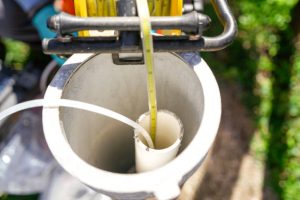

Private wells often face hidden dangers from farmland runoff or industrial zones. This is a significant concern for New Jersey well water, which may contain harmful germs or heavy metals. It’s essential to keep a close eye on these wells.
Property owners must stay vigilant against private well contamination. The EPA warns that even clear water can harbor bacteria, arsenic, and nitrates. It’s up to each owner to ensure regular testing and maintenance.
Key Takeaways
- Regular checks help reveal hidden pollutants
- Bacteria and nitrates often go unnoticed
- Property owners hold primary responsibility
- New Jersey well water needs close monitoring
- Safe practices protect families and communities
The Importance of Regular Water Testing
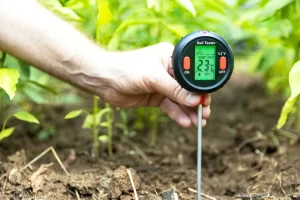
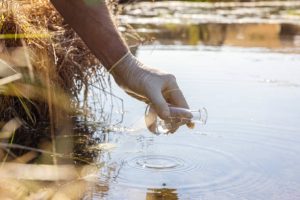
Many property owners rely on routine checks to protect households from hidden hazards. This practice serves as a shield against unexpected contaminants, such as nitrates or metals, that may infiltrate private wells over time.
Experts often suggest evaluations at least once a year for well water testing. Changes in rainfall or plumbing can alter the balance of bacteria and minerals, which affects safety. New Jersey well water can face unique conditions tied to regional geography, so an annual review helps pinpoint problems before they escalate.
Public health campaigns highlight the importance of screening for pathogens and toxic substances. A published analysis shows how regular examination can reduce health risks in vulnerable areas. This approach guards against digestive issues and shields critical plumbing systems from irreversible damage.
| Test Type | Key Contaminants | Suggested Frequency | Potential Issues |
| Basic Bacteria Screen | Coliform, E. coli | Annually | Gastrointestinal Illness |
| Metal Analysis | Lead, Arsenic | Yearly or As Needed | Long-Term Toxicity |
| Nitrate Check | Nitrates, Nitrites | Every 12 Months | Health Risks for Infants |
Why New Jersey well water Requires Special Attention
Homeowners in this region work hard to maintain the purity of their private wells. The close proximity of industries, farmlands, and residential areas can impact water quality in unforeseen ways. Arsenic hot spots have been identified, and some wells may experience changes in mineral content. It’s essential for those relying on well water to be aware of common contaminants.
State guidelines provide a starting point for ensuring a safe water supply. Homeowners must decide on testing frequencies and treatment options that align with local conditions. Regular testing is key to maintaining peace of mind and avoiding future issues.
State-Specific Regulations
Local laws dictate the frequency and standards for water sampling. New Jersey well water undergoes rigorous testing to ensure compliance with set limits. While authorities promote proactive steps, the responsibility for monitoring and treatment rests with individual families.
Local Geological Influences
Geological formations can increase the levels of iron, arsenic, or other substances in groundwater. Shale deposits in specific areas may release metals that pose health risks. Understanding these local factors helps mitigate the risk of common contaminants, boosting confidence in the water quality.
Recognizing Threats from Bacteria and Viruses
Coliform bacteria can enter wells through soil or surface water, posing a risk of fecal contamination. E. coli, in particular, is a serious pathogen that can cause stomach issues. Regular testing is essential to ensure the safety of drinking water and prevent sudden health crises.
Private wells are more susceptible to contamination during intense storms. Floodwaters can carry harmful microbes into New Jersey well water. Owners who adhere to New Jersey well regulations often schedule regular inspections. This proactive approach aims to identify issues early and apply disinfection measures before complications arise. Consistent maintenance and prompt action are vital for maintaining reliable water quality.
| Test Type | Reason | Interval |
| Coliform Bacteria | Early detection of fecal contamination | Every 12 months |
| Pathogenic Viruses | Prevents viral outbreaks | Once per year or after flooding |
| General Water Quality | Monitors overall safety | Annually or if taste changes |
The Role of Nitrates and Nitrites in Private Wells
Private wells can face a significant threat from high nitrate infiltration, often coming from farmland. Fertilizers and animal waste can contaminate New Jersey well water, leading to the formation of nitrites. It’s critical to be vigilant about these compounds, as they can disrupt oxygen transport in the bloodstream.
Sources in Rural Regions
In rural areas, livestock manure, septic seepage, and depleted soil conditions contribute to high nitrate levels. While many residents focus on testing for heavy metals in water, nitrates also demand attention. Rain events can carry nutrients deeper into the ground, causing long-term problems for homeowners.
Potential Health Implications
Infants are at the highest risk for “blue baby syndrome” due to high nitrite levels. These levels can hinder normal oxygen flow. Families relying on New Jersey well water often invest in filters and regular testing. Addressing nitrate exposure is essential for ensuring safe water consumption.
| Common Nitrate Source | Possible Prevention Method |
| Manure Runoff | Manage animal waste and storage sites |
| Fertilizer Overuse | Adopt buffer zones or natural barriers |
| Septic Systems | Schedule prompt inspections |
Understanding Heavy Metals Contamination
Wells in many regions face threats from metals that enter groundwater through natural deposits or old infrastructure. New Jersey well water can contain traces of these elements in varying amounts, leading to health risks. Testing and timely intervention often protect families from long-term consequences.
Metals rarely dissolve entirely on their own. Untreated supplies may accumulate contaminants that harm organs and disrupt normal body functions. Pollutants like pesticides in water can interact with metals, creating additional complications.
Arsenic and Lead
Arsenic sometimes stems from volcanic bedrock or past industrial sites. It can linger in an aquifer and remain unnoticed without routine monitoring. Lead, recognized for its presence in older pipes, poses a threat to brain development and may impact overall well-being if exposure persists.
Copper and Other Metals
Copper buildup emerges when acidic water erodes household plumbing. Zinc and iron might appear under similar conditions, signaling a need for specialized treatment. Regular checks help curb these issues before they escalate into larger concerns.
“The Environmental Protection Agency advises keeping heavy metal levels within strict safety limits to safeguard public health.”
| Metal | Possible Sources | Key Health Concern | Potential Solutions |
| Arsenic | Volcanic bedrock, industrial waste | Organ harm, developmental issues | Filtration systems, routine testing |
| Lead | Older pipes, aging solder | Neurological damage | Pipe replacement, corrosion control |
| Copper | Corrosive water dissolving plumbing | Stomach irritation | pH balance, improved material |
Impact of Pesticides on Well Water Quality
Pesticides can infiltrate private wells by moving through soil layers. Farms and home gardens often use chemicals to fight pests. These substances are designed to kill bugs or weeds but can be harmful to humans if found in drinking water.
New Jersey’s well water is at high risk due to extensive land use. Pesticide runoff can lead to VOC contamination in groundwater. Without regular testing, harmful toxins might go unnoticed.
Responsible choices are key to protecting wells from these dangers. Homeowners can install filtration systems to remove pesticide residue. They also try to minimize outdoor chemical use. Proper storage and disposal of outdated products further contribute to water safety. Regular testing helps well owners stay informed about water quality changes.
Detecting Volatile Organic Compounds (VOCs)
VOCs, such as benzene, toluene, and xylene, can contaminate groundwater from fuel spills or improper use of solvents. These substances evaporate easily but can remain trapped in soil pockets. Regular monitoring is essential to prevent long-term health risks.
Local groups urge property owners to test for private well contamination, a critical step in areas with high traffic or industrial activity. This is even more pressing for New Jersey well water, given the state’s aging infrastructure and leaky pipes.
Industrial Discharges
Factories producing plastics, textiles, or paints can release harmful chemicals. When these chemicals seep into groundwater, they pose significant risks. Labs advise regular testing to catch problems early and prevent them from worsening.
Household Waste and Chemicals
Disposing of used paint thinners, engine oil, and degreasers improperly can contaminate water sources. Leaks from storage containers with cracks or poor seals can spread toxic substances. Proper disposal and regular lab tests are key to preventing well contamination.
| Chemical | Main Source | Possible Effects | Recommended Check |
| Benzene | Gasoline, Industrial Plants | Respiratory Risks | Yearly VOC Test |
| Toluene | Paints, Thinners | Neurological Effects | Quarterly Lab Assessment |
| Xylene | Solvents, Fuel Residue | Organ Irritation | Regular Inspection |
Common Signs of Water Hardness
Hard water often shows up as faint white spots on dishes, stiff fabrics, or a rough skin feel after washing. It can also cause scale buildup in plumbing, clogging pipes and reducing efficiency in washing machines and dishwashers. Homes with New Jersey well water may notice these signs, indicating high levels of calcium and magnesium.
These minerals can increase utility costs and shorten the lifespan of appliances over time. Detecting hardness early is key, as frequent headaches from soaps and detergents can become costly. Testing your well water helps confirm hardness levels, showing if a water softening system is required.
Some warning signs are more obvious. A chalky ring around faucets or low suds in your sink could indicate mineral buildup. Visible residue in the shower is another sign. Paying attention to these indicators can greatly improve household convenience.
| Sign | Potential Cause | Possible Action |
| White crust on fixtures | Excess calcium and magnesium | Install water softener |
| Soap scum in sinks | Mineral-laden residue | Check hardness levels |
| Low suds from detergents | Reduced soap efficiency | Choose specialized products |
Testing for pH and Mineral Imbalances
Ensuring a balanced pH is key to avoiding costly plumbing problems. Regular pH checks help identify corrosive or scale-forming conditions. These can harm New Jersey well water and other systems. Even slight imbalances can speed up pipe damage or cut down water flow.
Optimal Ranges
The ideal pH range is between 6.5 and 8.5. Levels outside this range can corrode pipes or cause thick deposits. Using reliable kits for regular monitoring is essential to keep these values in check.
Long-Term Effects on Plumbing
Low pH levels can lead to metal leaching, causing stains or health issues. High pH levels result in crusty residue, affecting water pressure. It’s important to schedule regular evaluations, focusing on mineral content and its impact on faucets and heaters.
- Tip: Inspect outdoor spigots for signs of white crust.
- Tip: Schedule professional inspections if rust-like stains appear.
| pH Range | Possible Issues | Recommended Actions |
| Below 6.5 | Corrosion & metal leaching | Install neutralizing filter |
| 6.5 – 8.5 | Generally safe range | Periodic checks |
| Above 8.5 | Scale & sediment buildup | Use acid injection or softener |
Safe Disinfection Techniques for Private Wells
Quality begins with a secure source. Families depending on New Jersey well water seek effective ways to control bacteria and contaminants. Proper sanitation meets New Jersey well regulations, ensuring public health protection.
Shock chlorination is a targeted procedure to destroy harmful microbes. It involves pouring a concentrated chlorine solution into the well and circulating it through the plumbing system. This method is suitable for New Jersey well water systems at risk of contamination. State agencies like the New Jersey Department of Environmental Protection provide guidelines for residents using this method after repairs or flooding events.
Shock Chlorination
Ensuring the solution sits long enough to eliminate pathogens is vital. Systems must be flushed thoroughly to remove excess chlorine. Following New Jersey well regulations, thorough disinfection ensures stable water quality. Maintenance records help homeowners track improvements and address hazards promptly.
Regular Maintenance Routines
Annual checks reduce unexpected costs. Pump components, seals, and water levels are key to review. Inspections catch minor mechanical issues early, preventing escalation.
| Maintenance Task | Frequency | Reason |
| Chlorine Treatment | Annually | Reduces Bacterial Growth |
| Equipment Check | Once a Year | Extends System Lifespan |
| Water Testing | Every 12 Months | Confirms Safe Consumption |
When to Seek Professional Water Testing
Home test kits provide a basic understanding of well water quality. Yet, they often miss out on certain pollutants. Certified labs are equipped to detect contaminants like arsenic, lead, and other hidden threats. Their advanced methods ensure higher accuracy, which is critical for New Jersey well water due to its unique geology.
Some substances require precise checks. For instance, heavy metals in water can be present without any obvious signs. Experts can assess these risks and advise on the necessary equipment or treatment systems. This investment ensures peace of mind for families and communities.
- Strange tastes and odors that appear suddenly
- Stains on plumbing fixtures or unusual discoloration
- Recent illness or ongoing health complaints
Indicators like these might signal the need for a certified lab. Review the CDC guidelines for testing well water to learn more about proper screening methods and recommended intervals.
How Filtration and Treatment Systems Can Help
Families relying on New Jersey well water benefit from advanced solutions against various contaminants. Some opt for whole-house filtration units, while others prefer systems for specific taps or appliances. Regular maintenance is essential to ensure optimal performance.
Filters effectively remove metals, bacteria, and pesticides from water. Each filter plays a unique role, making it important to choose the right system for your needs. Regular maintenance keeps these systems running efficiently, safeguarding health throughout the year.
Reverse Osmosis
Reverse osmosis membranes effectively filter out nitrates, lead, arsenic, and other harmful metals. These units are often installed under sinks or in cabinets, providing targeted protection. They work by forcing water through a semipermeable membrane, leaving contaminants behind. This method is critical for preventing serious health issues caused by these substances.
Activated Carbon Solutions
Activated carbon filters are excellent at reducing contaminants from industrial solvents and pesticides. They use adsorption to capture chemicals, making them a key choice for homes with volatile organic compounds. Homeowners can choose between point-of-entry systems for all household water or point-of-use designs for faucets with high usage.
Common Myths About Well Water Purity
Many people believe their water is safe just because it looks clear. But, invisible threats like VOC contamination can lurk beneath the surface. Even if your well water appears perfect, changes in smell or taste can signal a problem.
Some think a single well test means it’s forever safe. Yet, this overlooks the ongoing risk of contamination from various sources. In New Jersey, the unique geology and environmental changes make wells more susceptible. A single test does not ensure long-term safety or protect against new contaminants.
Regular testing and quick action are key to safeguarding your well. Experts, like the National Ground Water Association, advise on consistent testing and immediate treatment if needed. Homeowners who stay alert to these issues understand that safety comes from vigilance, not blind trust.
Budgeting for Ongoing Well Maintenance
Smart planning is key to maintaining wells without financial surprises. Many families in New Jersey rely on well water for their daily needs. A well-thought-out budget for routine checks and possible solutions is essential. This approach ensures a clean supply, protecting health and resources.
Consistent reviews prevent risks from private well contamination. This can spread quickly if not addressed. A small investment in prevention saves money and provides peace of mind all year.
Annual Testing Expenses
Regular tests are affordable and serve as an early warning system. Costs vary based on the analysis type and professional services. Some choose basic bacterial tests, while others opt for advanced panels. Both options help reduce hazards.
Potential Repair Costs
Major repairs, like pump or pipe replacements, are more expensive. Ignoring small issues can lead to costly overhauls or emergency cleanups. Having a budget for these situations ensures your property’s longevity and keeps equipment running smoothly.
How Seasonal Changes Affect Well Water
Seasonal shifts have a profound impact on underground water sources. Spring snowmelt or heavy rains can push surface contaminants deeper. In warmer months, droughts lower water tables, potentially concentrating minerals. This is more evident in New Jersey well water, due to the region’s varied rainfall.
Regular well water testing provides insight into these changes. Homeowners may adjust their filtration or disinfection schedules based on test results. This proactive approach not only safeguards health but also maintains well integrity.
- Spring downpours may pull fertilizers and pesticides closer to vital aquifers.
- Summer dryness can shrink dilution effects, leading to higher contaminant levels.
For those dependent on groundwater, a vigilant routine is key. Monitoring water quality and acting swiftly with appropriate treatments or upgrades is essential in every season.
Final Thoughts on Private Well Protection
Health experts, including the Environmental Protection Agency, recommend routine checks to track shifting water conditions. Annual testing helps residents stay ahead of bacterial growth and physical changes in well structure.
New Jersey well water can face unique risks because local geology affects mineral levels and influences water flow. Homeowners who engage certified labs gain insight into hidden threats and safeguard families from possible hazards.
State guidelines, such as those from the New Jersey Department of Environmental Protection, highlight the importance of ongoing awareness. Knowledge about common well contaminants helps individuals pick effective treatment solutions and reduce long-term damage.
Property owners can preserve health and protect investments by adopting consistent testing schedules. Practical steps include upgrading filtration units, following maintenance tips, and seeking help from licensed professionals.
FAQ
Why are contaminants like bacteria, heavy metals, or nitrates commonly found in private wells?
Private wells often draw from groundwater exposed to agricultural runoff, industrial discharges, or naturally occurring elements within the local geology. Issues such as inadequate well construction, soil percolation, and nearby volcanic bedrock can introduce contaminants like E. coli, arsenic, or nitrates into the water supply.
Why is regular water testing essential for private wells?
Unlike municipal systems, private well water is not automatically regulated by government agencies. Annual testing allows owners to catch shifts in water chemistry—like rising nitrate levels or unexpected bacterial contamination—before they pose serious health risks. Ongoing tests also help detect long-term trends that could harm plumbing infrastructure.
What makes New Jersey well water require special attention?
New Jersey’s diverse geography and local hydrogeology mean private wells can encounter varying levels of arsenic, heavy metals, and pesticides. State-specific regulations may differ from county to county, and arsenic hotspots are a known concern in some regions, mainly due to volcanic bedrock and historic industrial sites.
How can property owners recognize threats from bacteria and viruses?
Bacterial or viral contamination often stems from fecal matter, faulty well caps, or flooding. While some bacteria are harmless, strains like E. coli can cause serious illness. Signs such as a sulfur-like odor or sudden gastrointestinal issues may warrant immediate testing. Shock chlorination and proper upkeep significantly reduce these risks.
How do nitrates and nitrites enter private wells in rural regions?
Areas with intensive agricultural activities can see increased nitrate levels from fertilizers and animal waste. Once in the groundwater, nitrates can convert to nitrites, which impede the blood’s ability to carry oxygen. Infants under six months face the highest risk, making frequent testing vital in rural communities.
What heavy metals should well owners monitor, and why are arsenic and lead of particular concern?
Arsenic can occur naturally in volcanic bedrock or result from industrial corridors, while lead is often linked to older plumbing and corrosive water. Both metals may cause organ damage, neurological disorders, or developmental challenges over time. Testing for copper and other metals is also recommended, as high levels may also pose health risks.
How do pesticides migrate into aquifers and threaten well water quality?
Pesticides used in farming or lawn care can seep through soil layers into the water table, specially after heavy precipitation. Though they target pests, they may cause adverse health effects in humans if consumed over time. Responsible usage, safe storage, and targeted filtration systems help manage this threat.
What leads to volatile organic compounds (VOCs) in private wells, and do industrial discharges play a big role?
VOCs are carbon-based chemicals that vaporize easily and can infiltrate the groundwater via industrial discharge, engine oil, degreasers, and paint products. Even minor spills can accumulate in aquifers, stressing the need for proper disposal and testing for VOC levels to maintain safe drinking water.
Which signs might indicate water hardness in a private well?
Chalky buildup on faucets, clogged appliances, or stiff laundry could all point to high mineral content, typically calcium and magnesium. While not directly hazardous to health, hard water reduces soap effectiveness and can increase maintenance costs for homeowners.
Does pH level really matter for private well water?
Yes. A balanced pH prevents corrosion of plumbing and avoids scale buildup. Optimal ranges generally run from around 6.5 to 8.5. Water that is too acidic can leach metals such as lead, and overly basic water may cause mineral deposits that slow flow and damage fixtures.
Which disinfection methods keep a private well safe?
Shock chlorination is the most common approach, delivering a high dose of chlorine to kill bacteria, viruses, and other microorganisms. Regular inspections of the system, combined with routine maintenance, prevent recontamination and identify structural problems before they escalate.
When should a well owner seek professional water testing?
Certified laboratories provide advanced detection limits for contaminants like arsenic, heavy metals, or complicated pesticide compounds. It’s often wise to consult professional testing if the water develops an odd taste or smell, if there are sudden health concerns, or if initial home test kits show alarming results.
How do filtration and treatment systems remove contaminants such as arsenic, nitrates, or VOCs?
Reverse osmosis can effectively reduce nitrates, arsenic, and other metals, while activated carbon excels at capturing chlorinated solvents, pesticides, and certain VOCs. Point-of-entry filtration treats water for the entire home, whereas point-of-use solutions target individual taps, like those in the kitchen.
Is clear well water always safe to drink?
Not necessarily. Many dangerous substances, including arsenic or volatile organic compounds, are odorless and tasteless. Even crystal-clear water can harbor health risks. Regular testing and ongoing vigilance are essential, regardless of appearance or previous test outcomes.
Why should well owners set aside a budget for ongoing maintenance?
Annual testing expenses are relatively small compared to the costs of emergency repairs, medical bills, or replaced plumbing after severe contamination. Planning for possible repair costs—such as pump or pipe overhauls—helps homeowners avoid financial strain and maintain a consistent supply of safe water.
How do seasonal changes in New Jersey affect private wells?
Heavy spring rains can push fertilizers and pesticides deeper into soil, while summer droughts lower aquifer levels and dilute contaminants less effectively. Monitoring seasonal shifts helps owners anticipate changes in water quality and adjust filtration methods or disinfection routines as needed.
How can homeowners maintain long-term protection for their private well?
It requires proactive maintenance, periodic re-evaluation of contaminant levels, and familiarity with local regulations. Installing the right water treatment systems, scheduling routine inspections, and staying current with evolving well water guidelines all contribute to a safe, reliable water supply.