
In many of the Union County cases, the uranium exceedances were linked to aging filtration media. Filtration systems are not “set it and forget it” appliances. When filters are not replaced according to a strict maintenance schedule, they can become less effective at balancing pH or, worse, can begin to dump accumulated contaminants back into the water stream in high concentrations.
Furthermore, if a system was installed without a neutralizing tank to offset the acidity, the filtration process itself becomes the primary cause of the copper leaching. Professional water testers often find that adding a calcite neutralizer—which adds a small, controlled amount of calcium back into the water—can stop the corrosion of copper pipes almost instantly.
Why Professional Testing is Non-Negotiable
These incidents highlight a major flaw in DIY water testing kits. Most “at-home” strips are designed to detect a handful of contaminants with low sensitivity. They rarely provide the precision needed to identify a copper exceedance that is just over the legal limit but still high enough to cause health issues or pipe damage.
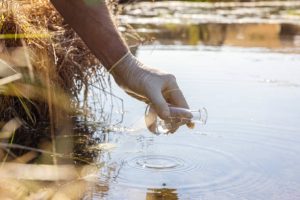
When we look at the Olympian Well Water Testing approach, the emphasis is on laboratory-grade analysis. A professional technician understands the “first draw” protocol. To accurately test for copper leaching, the water must sit in the pipes for at least six hours before the sample is taken. If a homeowner runs the water for a few minutes before testing (as many DIY instructions suggest), they are testing the fresh well water, not the water that has been sitting in and reacting with their copper pipes.
Steps for Union County Residents to Take
If you suspect your filtered water might be leaching copper, or if you have noticed the tell-tale blue stains in your bathroom, follow these steps:
- Perform a “First Draw” Test: Contact a laboratory to get a sterile bottle and instructions on how to take a sample of the very first water that comes out of your tap in the morning.
- Test Both Raw and Filtered Water: This helps determine if the copper is coming from the ground or from your plumbing.
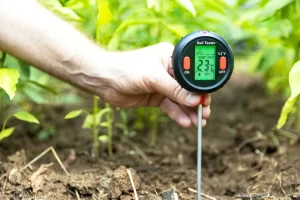
- Check Your pH Levels: Acidic water (pH below 7.0) is the primary driver of copper corrosion.
- Consult an Expert: Use a contact form to reach out to a specialist who can interpret your results. Don’t just buy a new filter; you need a solution that balances your specific water chemistry.
Navigating the “Filter Fallacy”
The “Filter Fallacy” is the belief that any filter makes water better. As these families discovered, an incorrectly configured or unmaintained filter can actually make water more corrosive.
Water treatment is a delicate science of balance. If you remove one thing, you must ensure you haven’t shifted the equilibrium of the water so much that it begins to destroy your infrastructure. This is a common topic of discussion on our blog, where we break down the complexities of NJ groundwater.
Conclusion: Protecting Your Family and Your Home
The discovery of uranium or copper exceedances in filtered water is a wake-up call for the community. It reminds us that “clean” water isn’t just about what has been taken out; it’s about the chemical stability of what remains.
Protecting your family from heavy metal exposure requires a proactive stance. It involves understanding that your well, your filtration system, and your home’s plumbing are all part of a single, interconnected machine. When one part of that machine changes—such as adding a new filter—it affects the rest.
By prioritizing professional, local testing and staying informed about the unique challenges of the county’s groundwater, residents can ensure that their pursuit of pure water doesn’t unintentionally lead to a crisis.
Would you like me to help you schedule a professional water quality screening to see if your current filtration system is properly balanced?