
Morris County is widely regarded as one of the most picturesque regions in New Jersey. From the rolling hills of Mendham to the historic charm of Morristown, it offers a lifestyle that many aspire to. However, for those living in the more rural or suburban stretches of the county, the beauty of the landscape comes with a specific responsibility: the stewardship of a private well.
A recent case study involving a beautiful estate in Morris County has shed light on a common but often misunderstood issue. During a real estate transaction mandated by the New Jersey Private Well Testing Act (PWTA), the home failed its water test not because of bacteria or industrial chemicals, but due to a chemical imbalance: low pH and elevated copper levels.
This incident serves as a vital reminder for Morris County residents that water chemistry is a delicate balance. Even if your water looks, smells, and tastes perfect, the underlying acidity could be quietly compromising your home’s infrastructure and your family’s health.
The Failed Test: A Surprise for the Seller
The homeowner in this case had lived in their Morris County residence for over fifteen years. They were meticulous about maintenance, ensuring the pump was serviced and the well cap was secure. When they decided to list the home, they expected the water test to be a mere formality.
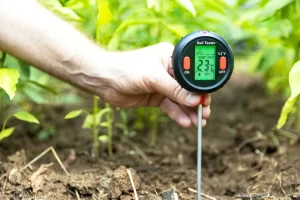
The laboratory results, however, told a different story. The pH of the water was recorded at 5.8, well below the recommended neutral range of 6.5 to 8.5. Consequently, the copper levels were clocked at 2.4 mg/L, nearly double the EPA Action Level of 1.3 mg/L.
The seller was confused. “How can there be copper in my well?” they asked. The answer, as it turns out, was not in the ground, but in the walls of the house itself.
The Science of Corrosion: Why pH and Copper Are Linked
To understand this failure, we must look at the relationship between acidity and metal. The pH scale measures how acidic or basic a liquid is. In many parts of Morris County, the groundwater is naturally “soft” and acidic due to the local geology and the way rainwater filters through the soil.
When water has a low pH (below 7.0), it becomes “aggressive.” Because it lacks dissolved minerals like calcium, it seeks to balance its chemistry by dissolving the metals it comes into contact with. In most New Jersey homes, the primary contact point is the copper piping.
In this Morris County home, the acidic water was sitting in the pipes overnight, slowly leaching copper molecules into the standing water. When the “First Draw” sample was taken for the PWTA test, the water was saturated with the metal that had been stripped from the home’s own plumbing. The well wasn’t contaminated with copper; the water was simply eating the house.
The Local Landscape: Morris County’s Geologic Influence
Morris County sits within the Highlands and Piedmont provinces of New Jersey. The bedrock here—consisting of granite, gneiss, and shale—often produces water that is naturally low in alkalinity. Without these natural buffers, the water remains acidic as it travels into the aquifer.
In this location, the problem is compounded by seasonal variations. During periods of heavy rain or snowmelt, the influx of fresh, slightly acidic precipitation can further drop the pH of a private well. This makes Morris County a “hotspot” for corrosivity issues, a topic we frequently explore on our blog to help residents stay ahead of the curve.
The Health and Infrastructure Risks of High Copper
While copper is a necessary micronutrient in small amounts, high levels in drinking water are a serious concern. Short-term exposure can cause gastrointestinal distress, including nausea, vomiting, and stomach cramps. Long-term exposure to levels above the action limit can lead to liver or kidney damage.
Beyond health, the financial impact on the home is significant:
- Pinhole Leaks: Constant acidity thins the walls of copper pipes, eventually leading to microscopic leaks that can cause massive mold and water damage behind drywall.
- Staining: The most obvious sign of this problem is blue-green staining on white porcelain sinks, tubs, and toilets.
- Appliance Failure: Aggressive water destroys the heating elements in water heaters and the internal seals of dishwashers and washing machines.
The Solution: Neutralization and Professional Intervention
The Morris County failure was not a permanent death sentence for the real estate deal. However, it did require professional services to rectify.
The solution for this home involved the installation of a calcite neutralizer. This system passes the acidic well water through a tank filled with crushed calcium carbonate (limestone). The water dissolves a small amount of the calcite, which naturally raises the pH to a neutral level. By “satisfying” the water’s hunger for minerals before it enters the home’s plumbing, the leaching of copper is stopped instantly.
Why DIY Testing Isn’t Enough
Many homeowners attempt to check their pH with “dip strips” from a hardware store. While these can give a general idea of acidity, they are not sensitive enough to predict copper leaching. A professional laboratory test—specifically a “First Draw” sample—is the only way to accurately measure the metal content that your family is actually consuming.
At Olympian Well Water Testing, we emphasize that the timing of the test is just as important as the equipment used. To catch a copper exceedance, the water must have sat in the pipes for at least six hours. A “flushed” sample might show perfect water, but it won’t reflect the reality of the first glass of water you drink in the morning.
Steps for Morris County Homeowners
If you live in Morris County and rely on a private well, you should not wait for a real estate transaction to check your water chemistry.
- Look for the “Blue Shadow”: Inspect your bathtub and the tanks of your toilets. If you see turquoise rings or stains, your pH is likely low.
- Annual Testing: pH can shift over time. A yearly check ensures your neutralizer (if you have one) is still functioning and that the media hasn’t been depleted.
- Check Your Solder: If your home was built before 1987, it may have lead solder joining those copper pipes. Acidic water will leach lead even more aggressively than copper.
- Consult an Expert: If you are planning to sell, reach out through our contact page to get a pre-listing assessment. Finding the problem now is much cheaper than finding it ten days before closing.
Conclusion: Protecting Your Investment
The Morris County home that failed its well test eventually passed after the installation of a proper neutralization system. The deal closed, and the new family moved in with the peace of mind that their water was safe. However, the stress and delay could have been avoided with proactive testing.
In a region as beautiful and prestigious as Morris County, your home is likely your largest investment. Don’t let a simple chemical imbalance like low pH erode that investment from the inside out. By understanding the unique challenges of our local groundwater and committing to professional oversight, you can ensure that your well remains a source of health and vitality for years to come.
For more information on state standards and the Private Well Testing Act, you can visit the New Jersey Department of Environmental Protection website.